How I Calmed My Nerves and Tamed My Blood Pressure – A Beginner’s Real Talk
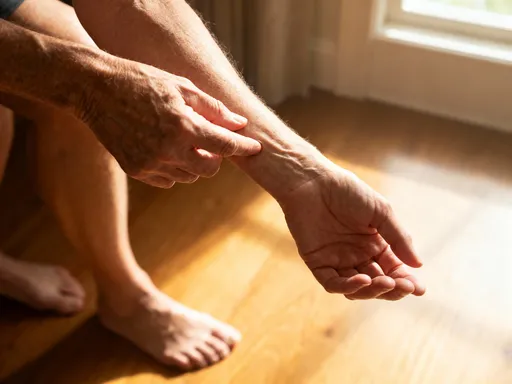
High blood pressure crept up on me quietly—no dramatic symptoms, just a wake-up call at my annual checkup. Like many beginners, I felt overwhelmed. But I learned that managing it isn’t just about pills; it’s about calming the storm inside. Stress plays a huge role, and small, daily changes can make a real difference. This is my journey, not medical advice—just real steps that helped me breathe easier and feel more in control.
The Silent Alarm: Recognizing the Hidden Threat of High Blood Pressure
High blood pressure, also known as hypertension, is often called the “silent killer” because it can go unnoticed for years while quietly damaging the heart, blood vessels, and other organs. It means the force of blood pushing against the walls of the arteries is consistently too high. When this pressure remains elevated over time, it makes the heart work harder than it should, increasing the risk of heart disease, stroke, and kidney problems. For many, including myself, there are no obvious warning signs—no pain, no dizziness, no sudden alarm bells. That’s what makes it so dangerous. You can feel completely fine while your body is under internal strain.
It wasn’t until my doctor pointed to the numbers on the screen—145 over 92—that I realized something was off. I had always considered myself relatively healthy: I didn’t smoke, I walked occasionally, and I tried to eat vegetables. But the truth was, I was carrying stress like a second job. I didn’t connect my tense shoulders, restless sleep, or afternoon fatigue to anything serious. I thought I was just busy. Yet research shows that nearly half of adults in many developed countries live with high blood pressure, and a significant number don’t even know it. The American Heart Association emphasizes that routine screening is essential because waiting for symptoms could mean waiting too long.
What surprised me most was learning how lifestyle factors—especially chronic stress—contribute to rising blood pressure. It’s not just about salt or weight, though those matter. It’s also about how we respond to the demands of daily life. The body wasn’t designed to stay in a constant state of alert, yet modern routines often keep us there. Over time, that constant activation of the nervous system can lead to sustained increases in blood pressure. For beginners in managing health conditions, this realization is powerful. It means we’re not powerless. Awareness is the first step toward change. Understanding that blood pressure is more than a number—it’s a reflection of how we live—helps shift the mindset from fear to empowerment.
Early detection matters because it allows for intervention before serious complications arise. When caught early, lifestyle adjustments can sometimes prevent the need for medication or reduce the dosage required. My doctor didn’t panic when she saw my numbers, but she was firm: “This is manageable, but you need to take it seriously now.” That moment marked the beginning of my journey—not toward perfection, but toward awareness, balance, and sustainable care.
Stress and Your Heart: Why Your Mind Affects Your Blood Pressure
For years, I thought of stress as an emotional burden—something that made me irritable or kept me up at night. I didn’t realize it was also a physical force, one that directly influenced my blood pressure. The connection between the mind and the heart is not just poetic; it’s biological. When we encounter stress, whether it’s a work deadline, a family disagreement, or even constant background noise, the body activates its ancient survival system: the fight-or-flight response. This triggers a cascade of hormones, including adrenaline and cortisol, that prepare the body to react to danger. Blood vessels tighten, the heart beats faster, and blood pressure rises—useful if you’re escaping a predator, but harmful when it happens every day over emails or traffic.
What I didn’t understand at first was how often this response was being triggered in my daily life. It wasn’t just major crises; it was the accumulation of small stressors—rushing to finish tasks, worrying about the future, feeling like there wasn’t enough time. These moments added up, keeping my nervous system in a low-grade state of alert. Over time, this chronic activation can lead to sustained high blood pressure, even when there’s no immediate threat. Studies have shown that people with high levels of perceived stress are more likely to develop hypertension. The body doesn’t distinguish between emotional stress and physical danger—it responds the same way.
Cortisol, often called the “stress hormone,” plays a key role in this process. When released in excess, it can increase blood pressure by promoting fluid retention and narrowing blood vessels. It also affects how the body processes fat and sugar, which can contribute to weight gain and insulin resistance—both risk factors for heart disease. I began to see my own patterns: after a stressful phone call, my hands would feel warm, my jaw tight, and if I checked my blood pressure shortly after, the numbers were often higher. It wasn’t coincidence. My body was reacting in real time.
Recognizing this link was a turning point. I stopped seeing stress as just a mood issue and started treating it as a health factor—something that needed management just like diet or exercise. I wasn’t just “tired” or “overwhelmed”; I was carrying invisible pressure that was affecting my heart. This understanding didn’t eliminate stress, but it gave me motivation to address it. I began to ask myself: what in my day could be adjusted to reduce this constant strain? The answer wasn’t to eliminate all stress—that’s impossible—but to build resilience and create moments of calm within the chaos.
First Steps That Actually Worked for Me (No Gimmicks)
When I first decided to take control, I made the mistake of trying to do everything at once. I downloaded meditation apps, bought a fitness tracker, and overhauled my pantry in one weekend. Predictably, I burned out within days. What finally helped wasn’t grand gestures but small, consistent actions. The most important lesson I learned was this: consistency beats intensity, especially at the beginning. Lasting change doesn’t come from extreme efforts; it comes from repeatable habits that fit into real life.
My first practical step was tracking—not just my blood pressure, but my mood and daily triggers. I used a simple notebook to jot down my morning and evening readings, along with notes like “late meeting,” “argument with neighbor,” or “good night’s sleep.” Over time, patterns emerged. I noticed that my numbers were higher on days when I felt rushed or hadn’t taken breaks. This wasn’t about blaming myself; it was about gathering data. Seeing the connection between my emotional state and physical response made the abstract concept of “stress” suddenly concrete.
Instead of aiming for 30 minutes of meditation—a goal that felt unattainable—I started with five-minute breathing breaks. I set a timer after breakfast and again in the mid-afternoon. No special cushion, no quiet room—just sitting in my chair, closing my eyes, and focusing on slow, deep breaths. These moments didn’t erase stress, but they created space. They reminded me that I could pause, even briefly, and that made a difference. On days I did this, I felt calmer, and my evening readings often reflected that.
Another change that had a measurable impact was reducing late-night screen time. I used to scroll through news or social media before bed, thinking it helped me unwind. But I realized it was keeping my mind active and delaying sleep. I switched to reading a book or listening to soft music, and within a week, I was falling asleep faster and waking up feeling more rested. My morning blood pressure readings dropped slightly but consistently. These weren’t dramatic fixes, but they were doable—and that’s what made them stick.
Natural Ways to Release Tension—Tested and Doable
Once I accepted that stress management was part of my health routine, I began exploring simple, natural techniques to release tension. I didn’t want complicated routines or expensive tools—just things I could weave into my day. What I discovered was that the most effective methods were also the most accessible. They didn’t require special training or hours of time, but they did require intention.
One of the most helpful techniques was the 4-7-8 breathing method. It’s simple: inhale quietly through the nose for a count of four, hold the breath for seven counts, and exhale slowly through the mouth for eight counts. I started using this during stressful phone calls or after receiving an overwhelming email. At first, it felt awkward, but within a few days, it became a reflex. This type of deep, rhythmic breathing activates the parasympathetic nervous system—the body’s “rest and digest” mode—which counteracts the stress response. I noticed that after just one cycle, my shoulders relaxed and my thoughts slowed. It didn’t solve the problem, but it helped me respond more calmly.
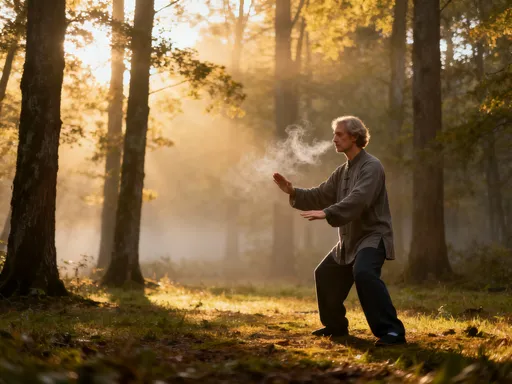
Walking became another cornerstone of my routine. I didn’t aim for miles or speed—just 20 minutes a day, usually after lunch or in the early evening. The movement itself was beneficial, but so was being outside. The rhythm of walking, the fresh air, the change of scenery—all of it helped clear my mind. I didn’t listen to podcasts or music at first; I just walked and observed. Over time, this became a form of moving meditation. Research supports this: regular walking has been shown to reduce both systolic and diastolic blood pressure over time, especially when done consistently.
Journaling was another tool I adopted, though not in the way I expected. I didn’t write poetry or deep reflections—I used it to “dump” my mental clutter. For five to ten minutes each evening, I wrote down everything on my mind: tasks, worries, frustrations. Getting it out of my head and onto paper made it feel more manageable. I didn’t reread it or analyze it—just let it go. This practice reduced my nighttime rumination and improved my sleep quality, which in turn supported better blood pressure control.
Perhaps the most unexpected benefit came from routine itself. I used to resist rigid schedules, craving flexibility. But I learned that predictability can be calming. Knowing when I would take breaks, when I would walk, and when I would wind down created a sense of stability. My body began to anticipate these moments of rest, and my nervous system responded with less reactivity. Structure, I realized, wasn’t restrictive—it was reassuring.
Creating a Calm-Friendly Environment at Home and Work
One of the most empowering realizations was that I could shape my environment to support calm. I didn’t need to wait for life to slow down—I could design spaces that encouraged it. Small changes made a noticeable difference in how I felt throughout the day. These weren’t about luxury or expense, but about intentionality.
At home, I started with lighting. I replaced harsh overhead bulbs with softer lamps, especially in the living room and bedroom. Warm, dimmable lights created a more relaxing atmosphere in the evenings. I added a few plants to my workspace and kitchen—nothing elaborate, just easy-to-care-for greens that brought a touch of nature indoors. Studies suggest that even minimal contact with plants can reduce stress and improve mood, and I found this to be true. The act of watering them became a small ritual of care.
At work, I introduced noise-canceling headphones, not for music, but for silence. Open offices and constant background noise had been a hidden stressor. With the headphones on, even without playing anything, I could create a bubble of quiet during focused tasks. I also set clearer boundaries. Instead of saying yes to every request, I began using phrases like “I can look at that tomorrow” or “Let me check my schedule and get back to you.” This didn’t make me less helpful—it made me more sustainable. I learned that protecting my time wasn’t selfish; it was necessary for long-term well-being.
I also built micro-moments of pause into my day. Between meetings, I took two minutes to stretch or breathe. After finishing a chore, I allowed myself a brief stillness before moving to the next task. These pauses weren’t wasted time—they were resets. They prevented the accumulation of tension and helped me stay present. My family noticed the change. My daughter commented that I seemed “less on edge,” and my partner started joining me on evening walks. Calm, I realized, is contagious. When one person slows down, it creates space for others to do the same.
When to Seek Help: Knowing the Limits of Self-Care
As much as I valued the lifestyle changes I was making, I also learned an important truth: self-care is not a substitute for medical care. There was a moment, about six months into my journey, when my efforts weren’t enough. Despite consistent walking, better sleep, and daily breathing exercises, my blood pressure readings remained elevated. I felt discouraged. Had I failed? Was I doing something wrong?
That’s when I scheduled a follow-up with my doctor. I brought my tracking notebook and shared my concerns honestly. She reviewed my numbers, asked about my routine, and explained that while lifestyle changes are powerful, they don’t always fully normalize blood pressure—especially when genetics or other factors are involved. She suggested a low-dose medication, not as a failure, but as a tool to support my efforts. I had resisted this idea at first, associating medication with defeat. But she reframed it: “Think of it as backup for your heart, like wearing a seatbelt. It doesn’t mean you’re not driving safely—it just adds protection.”
Starting medication was a turning point. Combined with my habits, it brought my numbers into a healthier range. More importantly, it relieved the anxiety I had been carrying about “fixing” everything on my own. I learned that seeking help isn’t weakness—it’s wisdom. Professional guidance is essential, especially when managing a condition like hypertension. Regular checkups allow for adjustments, early detection of complications, and personalized plans based on individual needs.
I also began to see my healthcare provider as a partner, not an authority figure to impress. Honest conversations about my struggles, fears, and progress made a difference. I wasn’t just following orders—I was co-creating a plan that worked for my life. This collaborative approach empowered me to stay committed and informed.
Building a Sustainable Routine—One Day at a Time
Today, managing my blood pressure isn’t about perfection—it’s about presence. I’ve stopped aiming for flawless habits and started celebrating small victories. Did I take three deep breaths before responding to a stressful text? That counts. Did I walk for 15 minutes instead of 20? Still progress. The goal isn’t to eliminate stress but to build resilience. I’ve learned to listen to my body, adjust when needed, and forgive myself when I slip up.
Habits are easier to maintain when they’re linked to existing routines. I pair deep breathing with my morning coffee—sipping slowly while focusing on my breath. I take my evening walk right after dinner, turning it into family time. These linkages make the practices feel natural, not forced. I’ve also let go of things that didn’t work for me. I tried yoga videos, but they made me feel pressured. I tried strict diets, but they left me frustrated. Sustainability comes from realism, not ideals.
What works now is a blend of awareness, routine, and support. I still track my blood pressure, but not obsessively. I still see my doctor regularly. I still make mistakes. But I feel more in control than I did a year ago. This journey isn’t about a quick fix—it’s about a lifelong commitment to self-care. Lowering blood pressure isn’t a destination; it’s a daily practice of choosing calm, connection, and health. And that, I’ve learned, is something worth breathing for.
Lowering blood pressure isn’t about one big fix—it’s a series of small choices that add up. Stress release isn’t a luxury; it’s a necessity for heart health. My path wasn’t perfect, but it was mine. By understanding the connection between mind and body, making realistic changes, and staying in touch with my doctor, I found a calmer way forward. This isn’t a cure, but a commitment—to listen, adjust, and care for myself, one breath at a time.