After sorting 3,000 photos every night for a year, this app finally gave me back my bedtime
How many times have you told yourself, “I’ll organize my phone photos tonight,” only to fall into a scroll spiral at 11 p.m.? I’ve been there—trapped in a loop of blurry screenshots, forgotten receipts, and baby pictures buried under spam. It wasn’t just clutter; it felt like emotional chaos. Then I found a simple routine—and one unassuming app—that changed everything. Not with magic, but with quiet consistency. This isn’t about digital perfection. It’s about reclaiming your evenings, your memory, and your peace—one photo at a time.
The Bedtime Scroll Trap Nobody Talks About
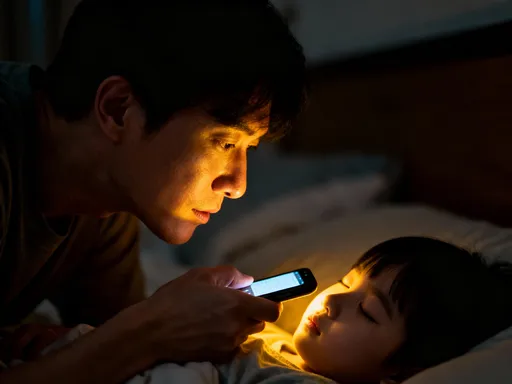
We all do it. The kids are finally asleep. The dishes are done. You sink into the couch, phone in hand, thinking, This is my time. And what do we do? We open our photo gallery, determined to finally clean it up. But within minutes, we’re lost—swiping through dozens of nearly identical dinner photos, zooming in on a blurry shot of your daughter’s soccer game, wondering why you even took it. Before you know it, an hour has passed. You’re mentally exhausted, not relaxed. And you haven’t even deleted ten photos.
This isn’t just procrastination. It’s a real psychological trap. Researchers have found that digital clutter—especially in personal spaces like our photo albums—can increase stress and reduce focus. Think about it: your phone is full of moments you care about, but they’re mixed with junk. Screenshots from months ago. Random product pages. Forgotten selfies. Every time you open the gallery, it’s like walking into a messy closet where everything is half-buried. You want to fix it, but the sheer volume makes it overwhelming. So you scroll instead. You avoid the task, but the guilt lingers.
And that guilt? It shows up in the quietest moments—like when you’re trying to fall asleep. You think, I should’ve organized those photos. Or worse, I can’t even handle this small thing. But here’s the truth: it’s not you. It’s the system. We weren’t built to manage thousands of digital images without help. The good news? We don’t have to do it alone. There’s a smarter, gentler way to take back control—one that doesn’t require hours of work or tech expertise.
Why Photo Chaos Feels Personal
Let’s be honest: photos aren’t just data. They’re emotion. That grainy video of your son laughing at breakfast? That’s gold. The photo of your dog lying in a sunbeam, tail thumping slowly? That’s love. These aren’t files. They’re tiny time capsules of your life. And when they’re lost in a sea of clutter, it feels like you’ve lost a piece of yourself.
I remember one night, I was searching for a picture of my daughter’s first school play. I knew it was there—somewhere. But after 20 minutes of swiping, I gave up. Later, I found it buried under three screenshots of a grocery list. That moment stung. Not because I missed the photo, but because it felt like I wasn’t honoring the memory. Like I’d let it get buried under the noise.
That’s the hidden cost of photo chaos. It’s not just about storage space. It’s about emotional neglect. We take these precious moments, snap them quickly, and then forget about them. We don’t look at them. We don’t share them. We don’t even know where they are. And over time, we start to feel disconnected—from our past, from our family, from ourselves. Organizing photos isn’t about being neat. It’s about respect. It’s saying, This moment mattered. This person matters. I matter.
And when we finally start to sort, it’s not just cleaning a gallery. It’s a form of healing. You begin to see your life again—not the curated version you post online, but the real, messy, beautiful truth. The burnt pancakes. The rainy picnic. The quiet hug after a hard day. These are the moments that shape us. And they deserve to be seen.
How One App Changed My Nights (Without Taking Over My Life)
I tried a lot of apps before I found the one that actually worked. Some wanted me to upload everything to the cloud. Others forced me into rigid categories—“People,” “Places,” “Things”—which felt more like a library system than a memory keeper. One even suggested I create “highlight reels” for each month. I didn’t want a movie. I just wanted peace.
Then I found an app that felt different. It didn’t shout for attention. It didn’t ask me to label every face or tag every location. Instead, it worked quietly in the background, like a thoughtful assistant who knew when to step in and when to step back. Every night, it would gently suggest a few “moments” from the day—grouped by time, place, or subject. A walk in the park. A family dinner. A quiet cup of tea by the window.
The magic wasn’t in the features. It was in the feeling. I didn’t feel like I was using software. I felt like I was being guided. The app flagged duplicates—sometimes five of the same shot—so I could delete them with one tap. It recognized faces and grouped them, so I could easily find photos of my daughter or my mom. It even hid the screenshots and documents, tucking them away so they didn’t clutter my view.
But the biggest win? It didn’t demand perfection. I didn’t have to finish. I didn’t have to name every album. I could just review a few photos, keep the ones that mattered, and let the rest go. And because it was so simple, I actually did it. Night after night. No guilt. No pressure. Just a quiet moment of care.
The 10-Minute Nightly Ritual That Actually Stuck
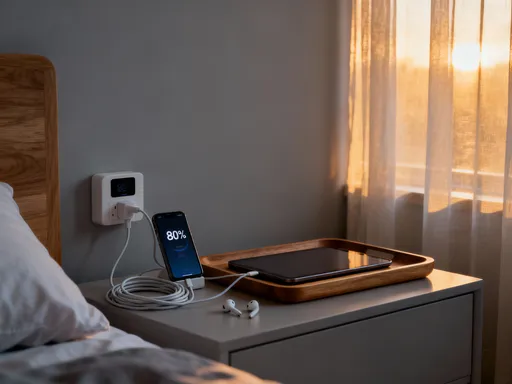
I started small. Ten minutes. Same time every night—after the kids were in bed, before I brushed my teeth. I’d sit in my favorite corner of the couch, pour a cup of chamomile tea, and open the app. No rules. No goals. Just presence.
The first few nights were slow. I’d get stuck on old photos—my son as a toddler, a vacation from years ago. But I learned to be gentle with myself. If I only deleted five screenshots, that was fine. If I saved one beautiful moment, that was enough. The key was consistency, not speed.
Over time, something shifted. The clutter started to shrink. But more than that, my relationship with my phone changed. It didn’t feel heavy anymore. It didn’t feel like a burden. It felt like a treasure chest. And those ten minutes? They became something I looked forward to. Not because I loved organizing, but because I loved remembering.
One night, I came across a photo I’d completely forgotten—a rainy afternoon when my daughter and I built a blanket fort and watched old cartoons. I hadn’t shared it. I hadn’t even looked at it since I took it. But seeing it again brought back the whole feeling: the smell of popcorn, her giggle, the way the rain tapped on the windows. That’s when it hit me: this wasn’t just about deleting junk. It was about rediscovering joy.
From Chaos to Calm: What Happened to My Sleep and Mood
Within a few weeks, I noticed changes that had nothing to do with my phone. I was falling asleep faster. My mind wasn’t racing with to-do lists or regrets. I felt… lighter. Calmer. And I realized: cleaning my photos had cleaned my mind.
It makes sense, when you think about it. Our brains aren’t designed to hold onto everything. When our digital spaces are chaotic, our thoughts follow. We feel scattered, overwhelmed, out of control. But when we create order—even in a small way—we signal to our brains that it’s safe to rest. It’s like tucking in your digital self before you tuck in your physical self.
I wasn’t the only one noticing. My husband said I seemed more present. My daughter asked if I was “less stressed.” I didn’t feel like I’d made a huge change—but I had. I’d created space. Space to breathe. Space to reflect. Space to appreciate the life I was living, instead of just documenting it.
And the best part? It wasn’t exhausting. This wasn’t another chore added to my list. It was the opposite. It was a release. Every night, I got to let go of the unnecessary and hold onto the meaningful. That’s powerful. And it’s available to anyone—not because they’re tech-savvy, but because they care.
How to Start—Even If You Have 5,000 Unseen Photos
If you’re staring at a gallery full of chaos, I get it. It’s intimidating. You might think, Where do I even begin? And that’s okay. You don’t have to fix it all tonight. You don’t have to fix it all this month. You just have to begin.
Start with one thing. Open your photo app. Let it scan your library—most modern apps do this automatically. Let it group your photos by day, by face, by place. Don’t try to name albums yet. Don’t stress about perfection. Just let the app do the heavy lifting.
Then, pick one night. Ten minutes. Sit somewhere comfortable. Maybe light a candle. Put on soft music. Make it feel like a ritual, not a task. Open the app. Look at what it suggests—maybe a day from last week, or a collection of pet photos. Review them. Keep the ones that spark joy. Delete the blurry ones, the duplicates, the screenshots you don’t need. One tap. Done.
And if you only get through ten photos? Celebrate that. You started. That’s what matters. Do it again tomorrow. And the next night. Over time, the pile shrinks. The stress fades. And you’ll begin to notice something beautiful: you’re not just organizing photos. You’re reconnecting with your life.
The Unexpected Gift: Reconnecting with Life, One Photo at a Time
The biggest surprise of this whole journey wasn’t the clean gallery or the extra sleep. It was the way I started to see my life again. Not through the lens of comparison—like when we scroll through social media and feel like everyone else has it better. Not through the lens of performance—trying to capture the “perfect” moment. But through the lens of presence.
I began to notice the small things. The way my daughter arranges her stuffed animals before bed. The steam rising from my coffee in the morning light. The way my dog sighs when he settles into his favorite spot. These moments weren’t staged. They weren’t filtered. They were real. And they were beautiful.
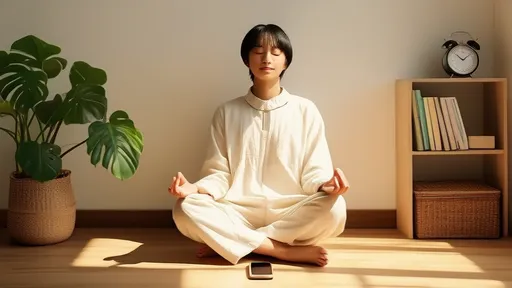
Organizing photos became a form of mindfulness. Each night, as I reviewed the day’s moments, I wasn’t just deleting clutter. I was practicing gratitude. I was saying, This mattered. This was mine. And in that quiet space, I found something I didn’t know I’d lost: peace.
You don’t need a perfect system. You don’t need the fanciest app. You just need a few minutes, a little consistency, and a willingness to care. Because when you care for your memories, you care for yourself. And when you do that—night after night—you don’t just get your bedtime back. You get your life back. One photo at a time.