From Overwhelmed to Effortless: How Price Comparison Tools Gave Me Back My Time and Peace of Mind
Shopping used to stress me out—endless tabs, second-guessing prices, and that nagging feeling I’d overpaid. Sound familiar? I was drowning in choices, not saving time or money. Then I discovered price comparison tools—not as tech gadgets, but as daily life allies. They didn’t just cut costs—they simplified decisions, reduced mental clutter, and gave me confidence in every purchase. This isn’t about chasing discounts; it’s about reclaiming your energy and making smarter, calmer choices every day. And honestly, it changed how I see everything from grocery runs to back-to-school shopping.
The Daily Chaos of Modern Shopping
Let’s be real—shopping, even the small stuff, can feel like a part-time job. Remember that moment when you stood in the kitchen appliance aisle, staring at two nearly identical blenders, one $15 cheaper than the other? Or when you clicked “buy now” on a set of bath towels online, only to see the same set drop in price two days later? That little twist in your stomach? That’s not just about money. It’s about trust—trusting that you made the right call, that you didn’t waste precious time or resources.
I used to keep a running list in my phone notes: “Check prices on laundry detergent,” “Compare vacuum cleaners,” “Look up school backpacks—again.” It wasn’t just the big purchases. It was everything. The kids needed new sneakers. The coffee maker sputtered and died. A birthday was coming up, and I hadn’t even started looking. Each item on the list felt like a tiny weight on my shoulders. And the worst part? I didn’t even realize how much mental space it was taking up until I stopped.
Experts call it “decision fatigue,” and if you’re a mom, a partner, a caregiver, or anyone managing a household, you know it well. It’s that worn-out feeling by 8 a.m. because you’ve already decided what to pack for lunch, what to wear, whether to schedule the dentist appointment, and if you should reorder dish soap. Then you open your browser to buy a new yoga mat and suddenly, you’re comparing 37 options across five websites. Who has energy for that? Not me. Not anymore. I realized I wasn’t just spending money—I was spending time, focus, and peace of mind. And those? They’re far more valuable.
Discovering a Smarter Way: My First Encounter with Price Comparison Tools
The turning point came on a rainy Tuesday. I was trying to replace a broken slow cooker—nothing fancy, just something that worked. I opened three tabs: one for the brand I liked, one for a discount retailer, and one for customer reviews. I’d been at it for 20 minutes when my daughter walked in and said, “Mom, are you almost done? You’ve been on that for forever.” That hit me. I was spending more time hunting for a $60 pot than I did planning our weekend.
That night, I mentioned it to a friend over text. “Ugh, I just want to buy the darn thing and move on,” I wrote. She replied instantly: “Have you tried that little price checker thing? The one that pops up when you’re shopping online?” I’d seen those little icons before but always ignored them—another app, another login, another thing to manage. But this time, I was tired enough to try something new.
I downloaded a simple browser extension that same night. No setup drama. No confusing menus. Just one click, and it was there—like a quiet companion in the corner of my screen. The next morning, I went back to that slow cooker. As soon as the page loaded, a small notification appeared: “Price dropped 12% in the last week. You’re paying less than 85% of buyers.” Wait—what? I wasn’t just getting a good deal. I was getting a great one. And I didn’t have to lift a finger to prove it.
In that moment, something shifted. It wasn’t just about saving $7. It was about trust. I could finally believe I was making a smart choice. No second-guessing. No guilt. Just peace. And that? That was worth more than any discount.
How These Tools Work—Without the Tech Talk
You might be thinking, “Okay, but how does it actually work? Is it safe? Do I need to be tech-savvy?” Let me ease your mind—this isn’t about coding or complicated settings. Think of these tools like a quiet helper who loves shopping almost as much as you love being done with it. While you’re busy living your life, it’s out there in the background, checking prices, watching for drops, and even letting you know when something you’ve been eyeing comes back in stock.
Here’s the simple version: when you visit an online store—say, a big retailer or a small boutique—the tool instantly checks its database. It compares the current price to what others are charging, and often, it shows you the lowest price in recent weeks or months. Some even track price history, so you can see if this “sale” is actually a sale or just a price that went up last week and now looks cheaper. No more getting tricked by fake discounts.
And it’s not just for electronics or big-ticket items. Imagine buying diapers, formula, or pet food—the things you buy over and over. You set a price alert, and the tool lets you know when it drops. Or you’re shopping for holiday gifts in July (yes, some of us plan ahead!), and it quietly flags when a toy you’ve saved goes on early sale. It’s like having a personal shopper who never gets tired, never forgets, and doesn’t charge a fee.
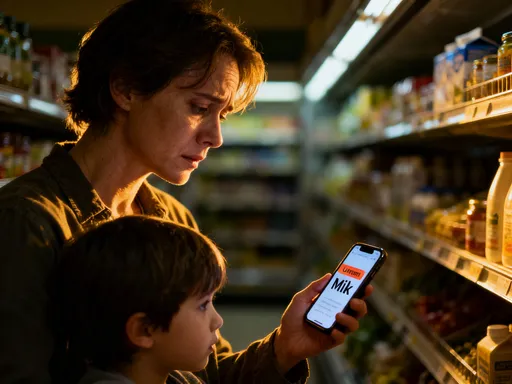
Best of all, it works whether you’re on your laptop, tablet, or phone. Some tools even have mobile apps that let you scan barcodes in-store. You’re standing in the baby aisle, wondering if this stroller is worth $299? Scan it. The app checks online prices instantly. Suddenly, you’re not guessing—you’re knowing. And that confidence? It’s a game-changer.
Real-Life Wins: From Coffee Makers to Car Seats
Let me tell you about the coffee maker. I love my morning ritual—freshly ground beans, the slow drip, that first warm mug. But when our old one died, I was dreading the search. I didn’t want to overspend, but I also didn’t want something flimsy that would break in six months. I found one I liked—mid-range, good reviews, stainless steel. But it was $129. Was that fair?
Instead of opening ten tabs, I let the tool do the work. It showed me the price had been $139 two weeks ago. It also told me this model rarely drops below $115, and the next expected dip was in three weeks—around the time of a major holiday sale. So I waited. Sure enough, three weeks later, it dropped to $118. I bought it, saved $21, and felt great about it. But more than that—I didn’t spend hours researching. I didn’t lie awake wondering if I’d made the right call. The tool gave me clarity, not clutter.
Then there was the baby car seat. My nephew was due in two months, and I wanted to get it early. I found one that met all the safety standards, had great reviews, and looked easy to install. But at $249, it stung a little. I set a price alert and went on with life. Two weeks later, I got a notification: “Price dropped to $199. Lowest in 90 days.” I clicked, bought it, and saved $50—on a product I wasn’t even actively shopping for at that moment. That’s the magic. It’s not about chasing deals. It’s about being ready when the deal comes to you.
And here’s the thing—these weren’t isolated wins. Over six months, I tracked my savings. It wasn’t just about big purchases. It was the small things: $5 here on laundry pods, $8 there on a kitchen gadget, $12 on a birthday gift. When I added it up, I’d saved over $300 without changing my shopping habits. No clipping coupons. No driving around town. No stress. Just smarter choices, powered by a little help from technology.
Beyond Savings: The Unexpected Emotional Benefits
When I first started using these tools, I thought the benefit would be financial. And yes, saving money is wonderful. But what I didn’t expect was how much calmer I’d feel. How much lighter my mental load would become. I used to carry a quiet anxiety about money—was I spending too much? Could I have done better? Was I letting my family down by not being a “savvier” shopper?
Those thoughts have faded. Now, when I make a purchase, I don’t feel guilt. I feel confidence. I know I’ve seen the data. I’ve got the facts. And that changes everything. It’s not just about the item I bought—it’s about how I show up in my life. I’m less reactive. Less stressed. More present.
It’s also improved how I talk about money with my family. Instead of tense conversations about budgets or “Did we really need that?”, we now share wins. “Mom, you got the air fryer for $20 less?” my daughter asked one day. I showed her the price history graph. “See? We didn’t wait for a sale. We just bought it when it was fair.” She smiled. “That’s kind of cool.” And it was. It turned shopping from a source of friction into a moment of connection.
Even my husband noticed. “You seem less stressed about bills lately,” he said. I hadn’t even realized it until he pointed it out. But he was right. When the small decisions feel easier, the big ones don’t seem so overwhelming. I have more energy to plan family trips, to try new recipes, to just breathe. That’s the real gift—not the $300 saved, but the peace of mind gained.
Making It Work for You: Simple Steps to Start Today
If you’re curious, I want you to know—starting is easier than you think. You don’t need to overhaul your routine. You don’t need to become a tech expert. Just pick one tool. Look for one with good reviews, clear privacy policies, and easy setup. Most are free or have a free version. Install it on your main browser—Chrome, Safari, whatever you use most. That’s it. You don’t have to change anything else.
Let it run in the background for a week. Shop like you normally do. Watch what happens. You’ll start seeing little notifications—“You’re getting a great price,” “This item is 15% above average,” “Price dropped $10 since yesterday.” No pressure. No obligation. Just information.
After a few days, try setting your first price alert. Pick something you buy regularly—coffee, snacks, shampoo. Or something you’ve been thinking about—a new pair of walking shoes, a backpack for school, a kitchen tool. Let the tool watch it for you. When the price drops, you’ll get an email or a pop-up. Then you decide: buy now, wait longer, or skip it. The power is still yours. The tool just gives you better information.
And if you shop in person, download the mobile app. Next time you’re at the store, scan a few items. Compare the in-store price to online. You might be surprised. One friend told me she saved $40 on a birthday gift just by scanning in the store and ordering online for pickup. No extra trip. No hassle. Just smarter shopping.
Remember, this isn’t about perfection. It’s about progress. You don’t have to use it every time. You don’t have to track every price. Just let it be your helper—one small step toward a calmer, more confident way of living.
A Calmer, Smarter Way to Live—One Purchase at a Time
Looking back, I realize I wasn’t just stressed about shopping. I was stressed about doing it all—managing the home, caring for my family, keeping up with life’s endless to-do list. And somewhere along the way, I thought I had to do it all alone. But technology doesn’t have to be cold or complicated. At its best, it’s a quiet support system—a helper that lets you breathe a little easier, make better choices, and focus on what really matters.
Price comparison tools didn’t change my life because they saved me money—though they did. They changed my life because they gave me back time. They gave me back confidence. They gave me back peace. And in a world that feels faster and noisier every day, that’s everything.
Every time I click “buy” now, I don’t feel anxious. I feel calm. I feel smart. I feel like I’m in control. And that confidence spills over—into my parenting, my relationships, my sense of self. I’m not chasing deals. I’m designing a life where I don’t have to.
So if you’re tired of the shopping stress, if you’re tired of the second-guessing, if you just want to make things a little easier—try it. Give yourself permission to use the tools that exist to help you. You don’t have to do it all alone. You don’t have to prove anything. You just have to take one small step.
Because sometimes, the most powerful changes don’t come from big leaps. They come from quiet helpers, working in the background, giving you back what matters most—your time, your energy, your peace of mind. And that? That’s not just smart shopping. That’s smart living.