How Smart Tech Finally Made My Weekends Feel Like Mine Again
Remember when weekends were supposed to mean rest, family time, and breathing room? Lately, mine felt more like a second job—racing to pay bills, adjusting thermostats, and wondering where all the electricity (and money) went. Then I started using a few simple tech tools to manage household bills and energy use. It wasn’t about gadgets or data overload—it was about peace. And honestly, it changed everything. I didn’t become a tech expert overnight. I just stopped fighting my home and started working with it. Now, my weekends are finally mine again—and if you’ve ever felt like your house runs you instead of the other way around, this is for you.
The Weekend That Changed Everything
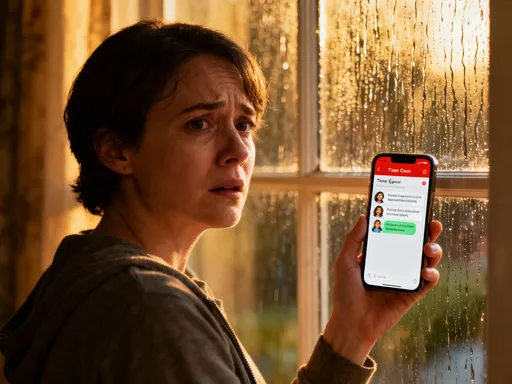
It was a Saturday morning, and I was already exhausted. My daughter needed help with her science project, my son was begging for pancakes, and the dog hadn’t been walked. But before I could even pour the batter, my phone buzzed: a bill reminder for the electric company. Then another for the water bill. I opened my email and saw a notification—our energy usage had spiked 30% compared to last month. My stomach dropped. I hadn’t turned on the AC more. We hadn’t hosted guests. So what happened?
I spent the next two hours chasing answers. I checked the thermostat, unplugged the space heater I thought I’d turned off, and even called customer service—only to be put on hold for 25 minutes. By the time I hung up, it was 1 p.m., the kids were hungry and cranky, and I hadn’t even started laundry. I sat on the couch, staring at the ceiling, wondering why managing a home felt like running a small corporation with no staff and zero downtime. I wasn’t lazy. I wasn’t careless. I was just overwhelmed by the invisible weight of small, constant decisions—most of which had nothing to do with actually enjoying my family or my life.
That’s when it hit me: technology was supposed to make life easier, but mine was doing the opposite. My phone pinged constantly. My smart speaker gave me weather updates I didn’t ask for. My apps sent reminders I ignored because there were too many. I felt like I was drowning in digital noise while my real needs—peace, time, clarity—were slipping away. I realized the problem wasn’t me. It was the system. And I decided, right then, to change it.
Meeting My Home’s Hidden Spender
The first thing I did was stop guessing. I bought a simple plug-in energy monitor—a small device that you plug into an outlet, and then plug your appliance into it. It shows you exactly how much electricity each device uses, in real time. I started with the living room. I plugged it into the TV setup. The number on the screen? 87 watts. Even when the TV was off. I blinked. That meant my entertainment center was using power 24/7, just sitting there, doing nothing. I moved to the coffee maker. 15 watts. The Wi-Fi router? 22 watts. The gaming console? A shocking 45 watts on standby.
I called it “The Vampire Audit,” and it was eye-opening. These devices weren’t just using energy—they were draining my wallet while I slept. Over a month, that idle power added up to nearly $30 I hadn’t budgeted for. And that was just one room. I started thinking about the garage heater, the guest room TV, the extra fridge in the basement. How many silent energy vampires were lurking in the corners of my home, sucking away my money and my peace?
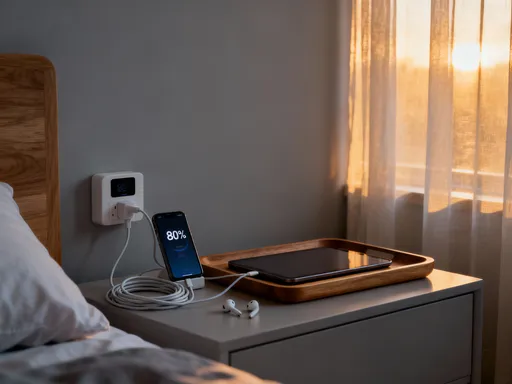
But here’s the thing: once I could see it, I could fix it. I didn’t need to buy new appliances or rip out wiring. I just needed awareness. I grouped the worst offenders—devices that used power even when off—and put them on smart power strips. These strips cut power completely when not in use, either on a schedule or through motion detection. I set them to turn off at 11 p.m. and come back on at 7 a.m. The next morning, I checked the app and saw our overnight energy use had dropped by 40%. I felt a wave of relief so strong it brought tears to my eyes. For the first time in years, I wasn’t guessing. I wasn’t stressing. I was in control.
One App That Brought Order to the Chaos
If the energy monitor gave me clarity, the household bill management app gave me freedom. I’d tried spreadsheets before—color-coded tabs, reminder columns, even little emojis to make it feel less like work. But I’d always fall behind. Life got busy. A bill slipped through. A late fee hit. And then the guilt would start: Why can’t I keep up? Why is this so hard?
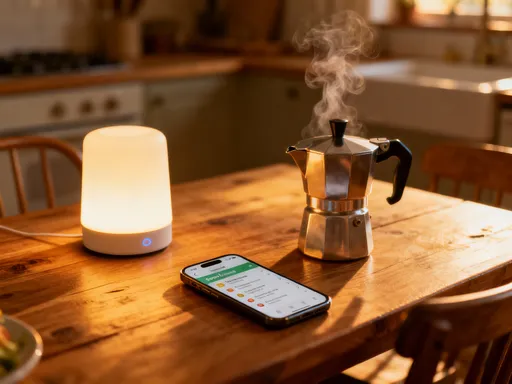
Then I found an app that changed everything. It linked securely to my bank accounts and utility providers, pulled in all my bills, and organized them in one place. But it didn’t just track due dates—it learned. It noticed that my electric bill was usually $120, but last month it jumped to $160, and it sent me a gentle alert: “Your energy bill is 33% higher than usual. Want to see why?” I tapped it, and it showed me a graph comparing my usage week by week. There it was—a spike during that heatwave when I’d forgotten to adjust the thermostat.
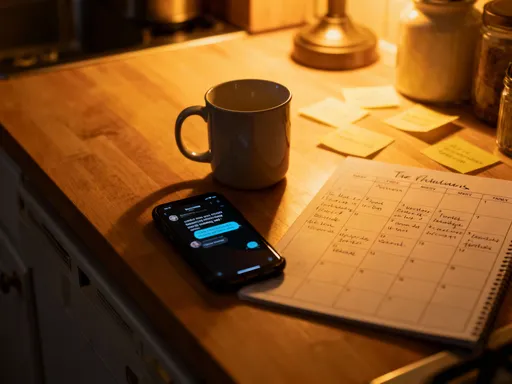
The app also synced with my calendar. When a bill was due the same day as my daughter’s soccer game, it reminded me three days in advance. If I was traveling, it sent a push notification: “Your water bill is due tomorrow. Pay now?” I could pay with one tap. No logging in. No remembering passwords. No frantic searches for checks. The first month I used it, I saved $47 in late fees I would’ve otherwise missed. But more than that, I got my Saturday mornings back. I didn’t have to sit at the kitchen table with my laptop open, juggling tabs and anxiety. I could make pancakes, help with homework, or just sit quietly with my coffee. That mental space was worth more than any dollar amount.
Automating the Little Things That Drained Me
One of the biggest shifts came when I stopped trying to manage everything myself. I set up automatic bill payments for all my recurring expenses—electricity, internet, insurance, even the streaming services. At first, I worried: What if I overspend? What if something goes wrong? But the app had safeguards. It sent me a notification 48 hours before each payment, showing the amount and due date. If I saw something off, I could pause it. But most of the time, I didn’t need to. The system worked.
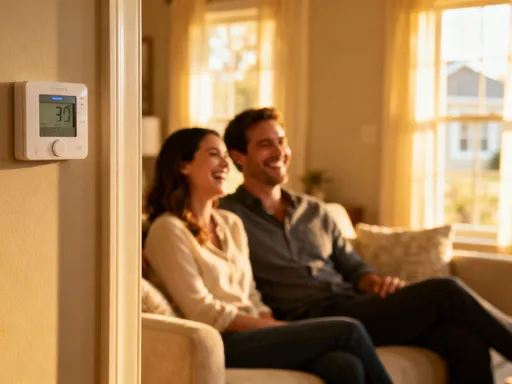
Then I connected my smart thermostat. I’d had it for months but only used it to adjust the temperature manually. Now, I programmed it. I set a schedule: 68°F during the day, 62°F at night, and “away” mode when no one was home. I linked it to my phone’s location, so it knew when we left and came back. The first weekend I didn’t touch it, I expected disaster. But the house stayed comfortable, and our energy bill dropped another 12%.
My partner noticed. “Wait,” he said, “you’re not checking the meter anymore?” I smiled. “Nope. The system’s got it.” He laughed. “So you’re just… done?” “I’m not done,” I said. “I’m free.” And I meant it. I wasn’t avoiding responsibility. I was using tools that made responsibility easier. I wasn’t lazy—I was efficient. And for the first time, I felt like my home was working for me, not against me.
Teaching My Kids the Value of Energy (Without Lectures)
One of my biggest worries was that my kids wouldn’t understand why any of this mattered. I didn’t want to nag them about turning off lights or unplugging tablets. I’d tried that. It led to eye rolls and slammed doors. So I tried something different: I showed them.
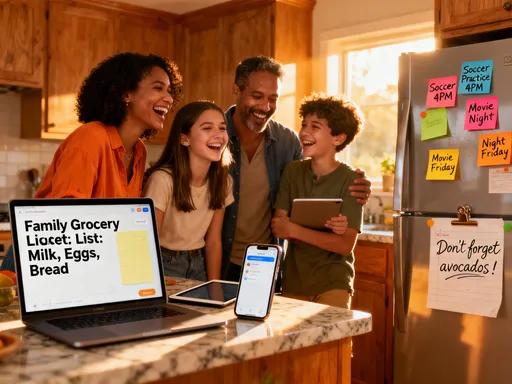
I set up a family dashboard on our tablet—a simple screen that showed our real-time energy use, daily goals, and weekly savings. I turned it into a game. Every time the number went down, we earned a point. When we hit our weekly goal, we got to choose how to spend the savings—extra movie night, a new board game, or a special outing. At first, they were curious. Then competitive. Then proud.
My daughter started reminding us to unplug the toaster. My son turned off the bathroom fan without being asked. One night, we all gathered around the tablet and watched the number drop after we turned off the porch lights. “We saved 300 watts!” he yelled. We high-fived. It wasn’t about sacrifice. It was about teamwork. And when our bill came in $52 lower than the month before, we celebrated with a picnic in the park—paid for by the money we’d saved. The lesson wasn’t just about energy. It was about how small choices, made together, can add up to something meaningful.
What I Gained Wasn’t Just Money
After three months of using these tools, I sat down to reflect. I pulled up my bill history, my app logs, and my calendar. I calculated how much I’d saved—not just in dollars, but in time and stress. The numbers surprised me. I’d saved $187 on utilities and late fees. But more importantly, I’d reclaimed 11 hours of weekend time. Eleven hours I’d spent not worrying, not chasing, not fixing.
Those hours became morning coffees with my journal. Long walks with the dog. Help with homework without rushing. A second cup of tea while watching the sunset. I started saying “yes” to things I used to skip—my friend’s birthday lunch, a craft class, bedtime stories without checking my phone. I felt more present. More patient. More like myself.
One evening, my daughter looked up from her book and said, “Mom, you seem happier lately.” My throat tightened. I realized she’d noticed the change too. It wasn’t that life was perfect. We still had messes, meltdowns, and Monday mornings. But the constant hum of stress—the feeling that I was always behind—had faded. I wasn’t managing survival anymore. I was enjoying life. And that, more than any gadget or app, was the real win.
This Isn’t About Being Tech-Savvy—It’s About Being Human
If you’re thinking, I’m not good with technology, I get it. I wasn’t either. I don’t code. I don’t build robots. I just wanted to feel less overwhelmed. And that’s the beauty of today’s smart tech—it’s not for engineers. It’s for parents, for caregivers, for anyone who wants to spend less time managing the house and more time living in it.
You don’t need to buy everything at once. Start small. Try one energy monitor. Download one bill-tracking app. Set up one automatic payment. Do it this weekend. You don’t have to be perfect. You just have to begin.
Because the goal isn’t a smarter home. It’s a calmer mind. It’s more time with the people you love. It’s knowing that when the weekend comes, you don’t have to choose between rest and responsibility. You can have both. Technology, when used with intention, doesn’t replace humanity—it protects it. It gives us back the gift we all crave: time. And time, more than anything, is what lets us truly live.