What if a simple app could keep your closest friendships alive—no matter how busy life gets?
Ever feel like you’re constantly losing touch with friends, even though you care deeply? Between work, family, and daily chaos, meaningful connections often slip through the cracks. I remember scrolling past a photo of my college roommate’s new kitchen—three months after she’d moved—and realizing we hadn’t actually spoken in over a year. It wasn’t anger or drama that pulled us apart. It was silence. Life just got loud, and our friendship became one more thing to ‘get to later.’ But what if technology could quietly help you stay close—without adding more to your plate? This isn’t about endless messaging or social media scrolling. It’s about using smart, gentle tools to nurture real bonds, one small moment at a time.
The Slow Drift No One Talks About
You don’t wake up one day and decide to lose a friend. It happens slowly, like sand slipping through your fingers. One day you’re finishing each other’s sentences; the next, you’re reading their birthday post on Instagram and feeling a pang of guilt because you forgot to text. We’ve all been there. The truth is, most friendships don’t end with a fight. They fade in the quiet moments—between school pickups, work deadlines, and doctor appointments—when connection becomes a luxury we feel we can’t afford.
I think about my friend Sarah, who moved across the country when her husband got a new job. We promised to stay close. For a while, we did—weekly calls, long voice notes, silly memes. But then her baby started teething, my mom had surgery, and suddenly those calls became monthly, then quarterly. We still loved each other. We still cared. But life had a way of filling every open space, leaving no room for ‘just checking in.’ That’s the thing about adult friendship: it’s not protected by routine like family or work. No one reminds you to call your best friend. No calendar alert says, ‘Don’t let this person drift away.’ And so, without even realizing it, we let them.
This kind of emotional distance isn’t dramatic, but it’s deeply painful. It’s not that we don’t want to be close. It’s that we don’t know how to make space for it. We’re exhausted. We’re overwhelmed. And the idea of scheduling another call or writing another long message feels like one more item on an impossible to-do list. But here’s the good news: staying connected doesn’t have to be hard. It doesn’t have to be time-consuming. In fact, the most powerful moments of connection are often the smallest ones—and technology, when used thoughtfully, can help us create them without effort.
Why Traditional Messaging Isn’t Enough
We all rely on texts, calls, and social media to stay in touch. But let’s be honest—these tools often make us feel more disconnected, not less. Have you ever gotten a message from a friend and felt a wave of anxiety instead of joy? ‘Oh no, I haven’t replied in three weeks. Now I have to write something meaningful…’ That pressure turns connection into a chore. It’s not the friend we’re avoiding—it’s the performance of keeping up.
Texting demands immediacy. It asks for a response, right now. And when we’re tired or busy, that demand feels heavy. We want to care, but we don’t have the energy to craft the perfect reply. So we wait. And the longer we wait, the harder it feels to reach out. Social media doesn’t help much, either. Scrolling through curated highlight reels can make us feel even more disconnected. We see our friends’ vacations, promotions, and family moments, but we don’t feel close to them. It’s like watching a movie about someone’s life instead of living it alongside them.
The problem isn’t the technology itself. It’s how we’re using it. Most communication tools are built for efficiency, not intimacy. They’re designed for quick exchanges, not deep connection. What we really need are tools that support ongoing, low-pressure engagement—ways to stay present in each other’s lives without the weight of constant conversation. We don’t need more messaging. We need moments. Small, quiet, meaningful touches that say, ‘I’m still here. I still see you.’ And that’s where a different kind of tech comes in—one that doesn’t ask for replies, but invites presence.
Enter Knowledge Sharing Platforms—Unexpected Friendship Keepers
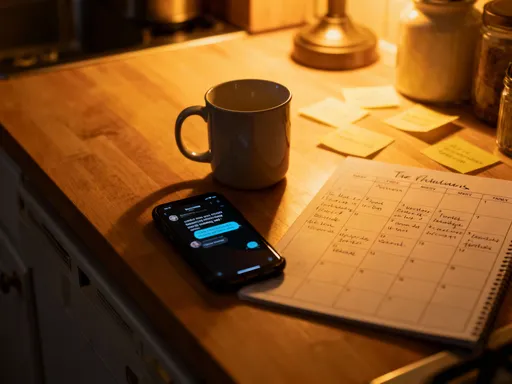
Here’s something I never expected: the app that helped me reconnect with my oldest friend wasn’t a messaging platform. It was a note-taking tool. We started sharing a digital notebook where we’d drop articles, quotes, and book recommendations. No pressure to respond. No need to write a long message. Just little digital breadcrumbs of what mattered to us. And over time, those breadcrumbs became a lifeline.
Knowledge sharing platforms—apps designed for organizing ideas, saving articles, or collaborating on projects—are quietly becoming some of the most powerful tools for friendship maintenance. At first glance, they don’t seem like social tools at all. But that’s exactly what makes them special. Because they’re not built for conversation, they remove the pressure to perform. You can share something meaningful without expecting a reply. You can react to a friend’s note without starting a thread. It’s connection without the demand.
Think about it: when you save an article about gardening to a shared folder with your sister, you’re not just sharing information. You’re saying, ‘This made me think of you.’ When you highlight a line in a poem and tag your best friend, you’re saying, ‘This reminded me of that conversation we had years ago.’ These platforms turn passive moments into emotional touchpoints. They keep the thread alive, not through constant chatter, but through shared curiosity and quiet recognition.
And the beauty is, it works even when life is chaotic. You don’t need 30 minutes for a call. You don’t need to write a novel-length text. You just need a few seconds to save something that made you pause. That small act—‘I saw this and thought of you’—is often more powerful than a dozen messages. It’s not about frequency. It’s about resonance. And knowledge platforms make it easy to create that resonance, even when you’re busy, tired, or stretched thin.
The Magic of Shared Learning Moments
There’s something uniquely bonding about discovering something new together. Even if you’re not in the same room—or even awake at the same time—learning side by side creates a quiet sense of togetherness. I remember the first time my friend Lisa shared a podcast episode with me through our shared reading list. It was about midlife transitions, and as I listened, I kept thinking, ‘This is exactly what she’s going through.’ When I finished, I added a note: ‘This made me hug my phone. I wish we could talk about this over tea.’ She replied days later: ‘I was crying during the third segment. So glad you heard it.’
That exchange didn’t happen in real time. It didn’t require coordination. But it felt deeply intimate. We weren’t just sharing content—we were sharing our inner worlds. The podcast became a third space where our friendship could grow, even when we couldn’t talk. That’s the magic of shared learning: it gives you something real to connect over, without the pressure of making conversation from scratch.
When you save a recipe to a joint cookbook, you’re not just collecting meals—you’re imagining future moments together. When you tag a friend in an article about resilience, you’re saying, ‘I see your strength.’ These aren’t random shares. They’re emotional signals. They build what psychologists call ‘emotional continuity’—the sense that your relationship has a steady rhythm, even when life disrupts it.
And the best part? These moments accumulate. One shared article might not feel like much. But over months, they create a tapestry of care. You start to feel like you’re living alongside each other, even when you’re apart. You know what your friend is thinking about, what moves them, what keeps them up at night. That kind of quiet intimacy is rare—and it’s exactly what so many of us are missing in our digital interactions.
Building Rituals Without the Pressure
We all know rituals matter. Sunday dinners, birthday calls, holiday traditions—they anchor our relationships. But as adults, it’s hard to keep up with formal rituals. Schedules clash. Energy runs low. That’s why the most sustainable friendships today are built on micro-rituals—tiny, low-effort habits that keep connection alive without feeling like obligations.
One of my favorite practices is a ‘thoughts from this week’ folder my friend Maya and I share. Every Sunday, we each add one thing that stood out—maybe a line from a book, a photo of a sunset, or a note about a tough day. We don’t comment. We don’t reply. We just drop it in. But knowing she’s adding to it, and I am too, creates a quiet sense of companionship. It’s like leaving a light on for each other.
Another friend and I have a monthly reflection note. On the last Sunday of each month, we answer three simple questions: What surprised me? What am I letting go of? What am I looking forward to? We don’t read them at the same time. We don’t discuss them. But writing them feels like honoring the friendship. It’s a way of saying, ‘I’m still growing. And I want you to be part of that.’
These rituals work because they’re not about performance. They’re about presence. They don’t require perfect timing or endless energy. They fit into the cracks of a busy life. And over time, they build a rhythm that feels natural, not forced. You’re not trying to ‘stay in touch.’ You’re simply living, and letting your friend walk beside you, digitally.
Privacy, Authenticity, and Emotional Safety
One reason these platforms feel so different from social media is privacy. On Instagram, you’re performing for an audience. On a shared note-taking app, it’s just you and one other person. That safety changes everything. It’s the difference between giving a speech and having a heart-to-heart.
I’ll never forget the day my friend Anna shared a note about her anxiety. She didn’t write a long post. She just saved an article about burnout and added one sentence: ‘This is me right now. I’m not okay.’ I read it late at night, and I cried. Because I knew she wouldn’t have shared that on social media. That space—private, quiet, unobserved—gave her permission to be real. And it gave me permission to respond with care, not applause.
Emotional safety is the foundation of deep friendship. Without it, we share only the polished versions of ourselves. But in these protected digital spaces, we can show up as we are—tired, uncertain, joyful, grieving. We can say, ‘I’m struggling,’ without fear of judgment. We can celebrate small wins without worrying about seeming boastful. And that authenticity is what keeps friendships alive over decades, not just years.
These platforms aren’t about broadcasting. They’re about bridging. They create a container where real talk can happen, not because we scheduled a ‘deep conversation,’ but because the space invites it. And in a world that often feels loud and superficial, that kind of quiet honesty is priceless.
From Digital Touchpoints to Real-Life Depth
Of course, no app can replace a hug, a shared meal, or a long phone call. The goal isn’t to live in digital spaces—it’s to use them as bridges back to each other. And that’s exactly what they do best. The article I saved for my sister? It sparked a three-hour call about our mom’s garden. The podcast my friend shared? It led to a weekend trip where we finally talked about our fears of aging. The digital moment became the doorway to something real.
Technology, at its best, doesn’t replace human connection—it prepares the ground for it. It keeps the soil warm so that when we finally have the time and energy to meet in person, the conversation doesn’t start from scratch. We’re already in sync. We already know what matters to each other. We’ve been walking side by side, even when we couldn’t see each other.
So if you’ve been feeling that slow drift with someone you love, don’t wait for the perfect moment to reconnect. Start small. Share one article. Save one quote. Drop one note into a shared space. Let technology do what it does best—hold space for care, even when life gets loud. Because friendship isn’t about grand gestures. It’s about showing up, again and again, in whatever way you can. And sometimes, the quietest tools help us do that most beautifully.