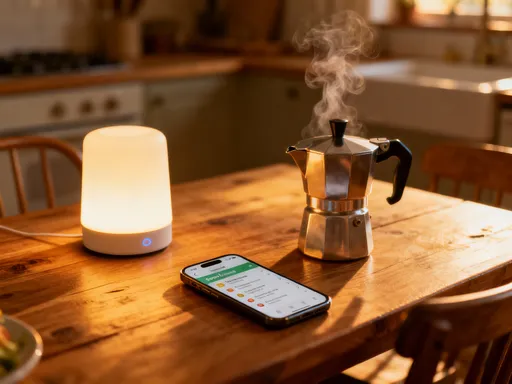
From Chaos to Connection: How One Simple App Brought Our Family Closer
Family life moves fast—between school runs, work deadlines, and endless to-do lists, it’s easy to lose track of what matters most. Messages get buried, plans fall through, and meaningful moments slip away. I felt disconnected, even when we were all under one roof. My daughter would forget her permission slip on the kitchen counter. My son would text me about a game at 4 p.m. that started at 5:30—after I’d already committed to a meeting. My partner and I were constantly double-checking schedules, sending updates into the void, hoping someone would see them before it was too late. Sound familiar? We weren’t failing—we were just overwhelmed. Then we tried something small but powerful: a shared family note app. What started as a way to remember grocery lists slowly transformed how we communicate, care, and create memories together. It didn’t just organize our days—it brought us closer.
The Messy Reality of Modern Family Communication
Let’s be honest—most of us aren’t managing family life with calm precision. We’re juggling. And sometimes, things drop. You send a reminder about a dentist appointment at 8 a.m., but by 9:30, your partner says, “Wait, was that today?” Your teenager promises to hand in a school form, only to realize the night before that it’s still in their backpack. You write a note on the fridge, but someone closes the door too fast, and it falls behind the cereal box—lost forever. These aren’t signs of neglect. They’re signs of a full, busy, loving life where attention is stretched thin across too many demands.
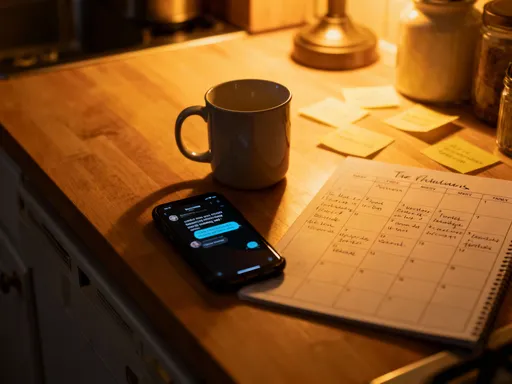
I used to think better organization meant color-coded calendars or complicated planning apps with reminders upon reminders. But the truth is, those systems often added more stress. They felt like homework. And when no one sticks to them consistently, you start to feel like you’re failing—even though everyone’s doing their best. The real problem wasn’t laziness or forgetfulness. It was fragmentation. We were all trying to stay connected, but our tools weren’t designed for real life. Texts disappeared in cluttered inboxes. Sticky notes got thrown away. Family group chats were a mix of memes, grocery items, and urgent messages—all blending together until nothing felt important.
That’s when I realized we didn’t need more discipline. We needed a better way to share information—something simple, always visible, and accessible to everyone. Something that didn’t require perfect timing or constant checking. I wanted a space where a child could leave a note for Dad before bed, where I could remind my mom about her doctor’s appointment, and where we could all see what was happening without playing phone tag. I didn’t know it at the time, but I was describing a shared family note app. And once we started using one, everything changed—not overnight, but steadily, quietly, in ways that mattered.
What Exactly Is a Family Note App? (And Why It’s Not Just Another To-Do List)
If you’re imagining another productivity app full of checkboxes and deadlines, let me stop you right there. A family note app isn’t about turning your household into a corporate project. It’s more like a digital version of your kitchen whiteboard—but better. Think of it as a shared space where anyone in the family can leave notes, lists, photos, or even voice messages that everyone can see, no matter where they are. It’s not about control. It’s about connection.
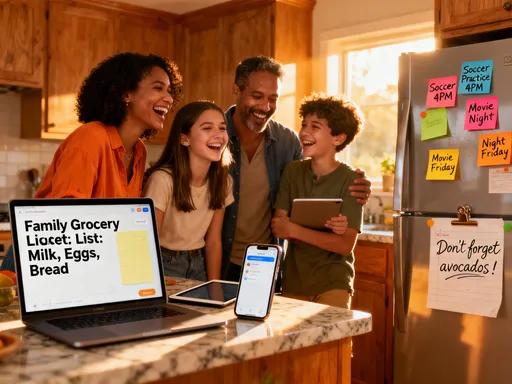
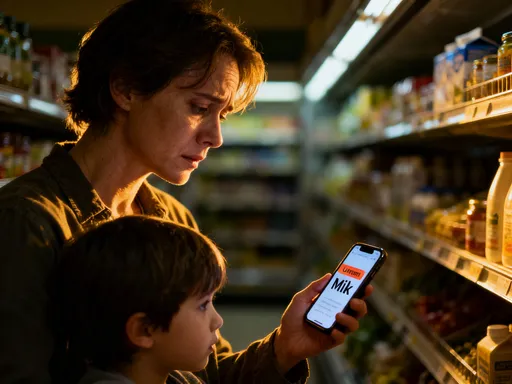
Imagine this: instead of shouting, “Who took the grocery list?” from the driveway, you open an app and see the updated list in real time. Your 10-year-old adds “strawberries” after school. Your spouse checks off “milk” while walking through the dairy aisle. You add “birthday candles” on your lunch break. No messages lost. No last-minute panic. It’s not magic—it’s just clarity.
But here’s what surprised me: the app didn’t stay functional for long. It became emotional. My daughter started leaving little drawings in the notes. My son, who rarely says “I love you” out loud, once recorded a voice note saying, “Mom, you’re the best,” after I helped him with homework. We created a section just for memories—photos from our beach trip, a note about Grandma’s famous cookie recipe, a list of “Things We’re Grateful For This Week.” It wasn’t a to-do list anymore. It was a living scrapbook, a digital hearth where our family life gathered.
The beauty of these apps is that they’re not pushy. No pings, no pressure. You check in when you want to. But because everything is in one place, you naturally start to look. You see your partner’s note about picking up dry cleaning, and you smile because it’s written in their silly handwriting font. You notice your teen added “concert tickets” to the calendar, and you reply with a heart emoji. These small moments add up. They create a rhythm of care. And over time, you begin to feel more in sync—not because you’re managing better, but because you’re seeing each other more clearly.
The First Step: Picking the Right App Without Feeling Overwhelmed
I know what you’re thinking: “Another app? Really?” When I first looked into this, I felt the same way. The internet is full of options—some free, some paid, some with endless features that sound impressive but overwhelming. My advice? Breathe. You don’t need the fanciest tool. You need one that works for your family. And that starts with simplicity.
Here’s what I learned: focus on three things—ease of use, reliability, and privacy. First, everyone should be able to use it without a tech manual. If your 8-year-old and your 70-year-old both struggle, it’s not the right fit. Look for clean design, big buttons, and intuitive navigation. Second, it should sync across devices. If you add a note on your phone, it should appear on your partner’s tablet and your kid’s laptop. No delays, no syncing errors. Third—and this is important—make sure it respects your privacy. Choose an app that doesn’t sell your data or push ads. This is your family space. It should feel safe.
Cost matters, but not as much as you’d think. Many good apps are free for basic use. Others offer family plans for a few dollars a month—less than a coffee run. I tested a few with my family. One had too many ads. Another crashed every time my son tried to attach a photo. The one we kept? It wasn’t the most advanced, but it worked every time. It had color-coded notes, voice input, and the ability to set gentle reminders. Most importantly, no one complained about using it. That’s the real test.
And remember—this isn’t about finding perfection. It’s about finding something that fits. A family with young kids might want one with drawing tools and big icons. A family with teens might prefer one that integrates with school calendars. If you have aging parents involved, look for apps with large text and simple layouts. There’s no single “best” choice. There’s only what’s best for you. Start small. Try one. If it doesn’t click, try another. The goal isn’t to pick the winner. It’s to start connecting.
Making It Stick: How to Get Everyone on Board (Even the Tech-Resistant)
Here’s the truth: even the best app won’t help if no one uses it. And getting buy-in can be tricky—especially if someone in your house groans at the word “app” or says, “I don’t need another thing on my phone.” I’ve been there. My mother-in-law once told me she only uses her phone for calls and the weather. So how do you bring people in without making it feel like a chore?
The key is to start with something small and useful. Don’t launch with, “We’re going digital now!” That sounds like a school project. Instead, try, “Hey, I’m trying this new way to keep track of the grocery list. Want to add something?” Make it low-pressure. Let them see the benefit before they feel the effort. When my son forgot his gym clothes for the third time, I gently said, “What if we keep a packing list here? You can check it before school.” He agreed—and now he updates it himself.
For kids, make it fun. Let them use stickers, draw doodles, or record silly voice notes. My daughter loves adding emojis to her homework reminders. My nephew once sent a voice note of him barking like a dog—technically not helpful, but everyone laughed, and suddenly the app felt less like a tool and more like a family space.
Consistency matters. At first, I posted notes every day—reminders, little messages, updates. After a few weeks, others started joining in. Now, it’s normal. My husband leaves me sweet notes before work. The kids update their activity schedules. Even my in-law group started using a shared note for holiday planning. The shift didn’t happen because I forced it. It happened because they saw it working. They felt included. They saw their voices matter.
And if someone resists? That’s okay. Don’t push. Just keep using it. Show, don’t tell. Eventually, when they need to remember something or want to share a moment, they’ll find their way in. Connection isn’t built in a day. It’s built in small, repeated acts of showing up.
Beyond Chores: Turning Notes into Meaningful Connections
The real magic of our family note app didn’t show up in the grocery lists or calendar updates. It showed up in the moments that had nothing to do with productivity. It was in the note my daughter left after her first solo bike ride: “I did it! No hands for 5 seconds!” It was in the voice message my son sent when he got his science test back: “Mom, I got an A. Thanks for helping me study.” It was in the photo my husband uploaded of our dog wearing a birthday hat—captioned, “Best boy turns 10 today.”
We created a section called “Proud Moments.” At first, I was the only one posting. But slowly, others joined. Now, it’s a stream of tiny triumphs—learning to tie shoes, finishing a book, making a new friend. We also started a “Gratitude Board,” where each person adds one thing they’re thankful for each week. Some are silly (“pizza”), some are deep (“that we’re all healthy”). But reading them together on Sunday nights has become a ritual I cherish.
These notes do more than record life—they deepen it. When my mom was going through a tough time, I started leaving her little encouragement notes: “Thinking of you,” “You’re strong,” “Love you.” She told me later that seeing those messages helped her feel less alone. That’s the power of this tool. It’s not just about logistics. It’s about emotional presence. It’s a way to say, “I see you. I’m here. You matter.”
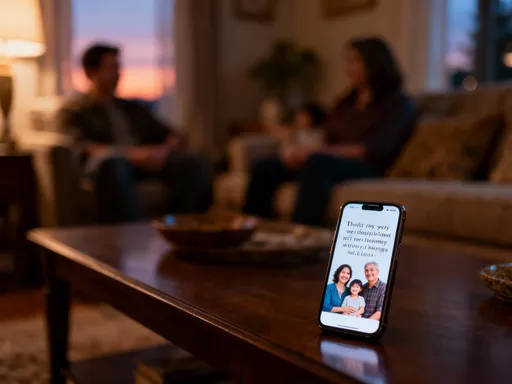
And because everything stays in one place, we’ve built a quiet archive of our life. We can scroll back and remember. We laugh at old grocery lists (“Why did we buy 12 lemons?”). We tear up at birthday messages from years ago. We see how much we’ve grown. The app doesn’t replace conversation—but it enriches it. It gives us more ways to show love, especially on days when we’re too tired or too busy to say it out loud.
Solving Real Problems: A Week in the Life of a Connected Family
Let me take you through a typical week in our home—nothing extraordinary, just real life. On Monday morning, I open the app before leaving for work. The shared calendar shows my daughter’s piano lesson at 4:30. My son’s soccer practice is at 6. I add a reminder: “Parent-teacher conference Thursday at 5:15.” No calls, no texts. Just clarity.
At lunch, I see a note from my husband: “Can you pick up the prescription? I’ll take the dog to the vet.” I check it off and reply, “Done.” Later, my daughter messages: “Can we have tacos tonight?” I add it to the meal plan, and she replies with a taco emoji. Simple. No arguments. No forgotten requests.
Wednesday afternoon, my son leaves a voice note: “Mom, my friend’s mom can give me a ride home after school. Can you tell Dad?” I forward it to my husband with one tap. No missed messages. No worry.
Thursday morning, I get a surprise note from my dad: “Just saw a cardinal—your mom’s favorite. Thought of you.” My eyes well up. It’s not urgent. It’s not practical. But it’s everything.
Friday night, my teenager adds a new event: “Band concert, 7 p.m., school auditorium.” I reply, “Wouldn’t miss it.” And I don’t. Because I remembered.
Saturday, we’re planning a weekend trip. We use a shared checklist: “Packing list,” “Directions,” “Hotel confirmation.” My daughter adds “my stuffed bunny.” My son adds “headphones.” We laugh, we update, we feel prepared. Sunday, we post photos from the trip and a note: “Best weekend ever.”
This isn’t a perfect family. We still argue. We still forget things. But we’re more in sync. We feel seen. And that makes all the difference.
Your Turn: Start Small, Stay Connected
If you’re reading this and thinking, “That sounds nice, but my family will never go for it,” I get it. I felt the same way. But here’s what I’ve learned: you don’t need everyone on board to begin. You just need one person to start. Create a shared list today—groceries, meals, packing for camp. Make it useful. Make it kind. Post a little note just because. Let the rest unfold.
Connection doesn’t come from big gestures. It comes from showing up, again and again, in small ways. A note. A reminder. A voice message saying, “I love you.” These things matter. And sometimes, a simple app helps us remember how to give them.
Technology doesn’t have to pull us apart. Used with intention, it can bring us closer. It can help us care better, communicate clearer, and remember what matters most. Not every tool is worth your time. But this one? It’s been a quiet revolution in our home. It hasn’t fixed everything—but it’s helped us feel more like a family.
So go ahead. Try it. Start small. Stay connected. And watch how the little things add up to something beautiful.