Tested 8 Family Travel Apps Over 3 Summers: Here’s What Finally Made Trips Stress-Free
Planning a family trip used to mean chaos—endless group texts, forgotten passports, and meltdowns before we even left the driveway. I’ve been there, juggling kids’ schedules, picky eaters, and overbooked itineraries. But after three real-world summers testing travel apps with my family, one finally brought peace. This isn’t about flashy features—it’s about what actually works when you’re managing parents, kids, and sanity all at once. The difference wasn’t just in convenience; it was in how we felt. Calmer. Connected. In control. And that changed everything.
The Family Travel Chaos No One Talks About
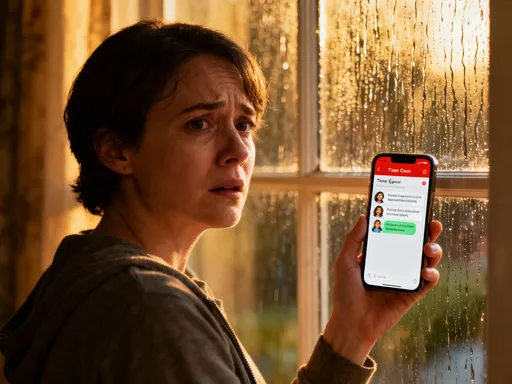
Let me take you back to one July morning three years ago. Suitcases half-packed. Sandwiches squished in a lunchbox on the counter. My husband stood at the door with the car keys, asking, 'Did anyone confirm the rental house check-in time?' My teenage daughter was frantically searching for her phone charger, my younger son was crying because his favorite hoodie was missing, and I was scrolling through 47 unread messages in a family group chat titled 'Italy Trip OMG!!!' That was supposed to be our dream vacation. Instead, it felt like a disaster before takeoff.
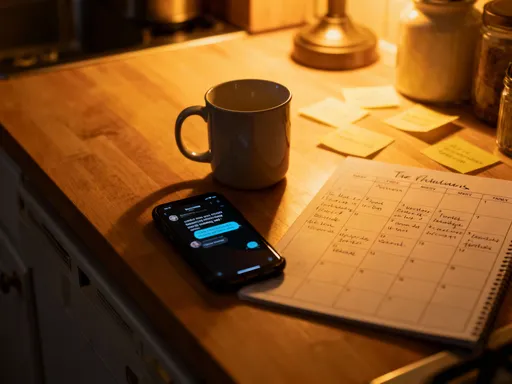
This kind of chaos isn’t rare—it’s routine for families. We don’t just plan trips; we coordinate mini-empires. There are school schedules, dietary needs, medication routines, bedtime rituals, and emotional landmines (like someone who hates flying or another who refuses to wear sunscreen). And yet, most of us still rely on the same outdated tools: sticky notes, printed itineraries that get lost, and endless text threads that spiral into confusion. I remember one time my mom thought we were flying out at 6 a.m., not 11 a.m., because she missed a message buried under cat memes and grocery lists. She arrived at the airport in pajamas, panicked and cold.
What no one talks about is the emotional toll of this disorganization. It’s not just the forgotten toothbrush or the wrong hotel address. It’s the guilt when your child is upset because you missed their preferred snack. It’s the tension between partners when one feels overloaded and the other feels left out. It’s the quiet dread that builds in the weeks before a trip, turning excitement into anxiety. We want family vacations to bring us closer, but too often, the planning tears us apart. The truth is, traditional methods don’t scale. When you add more people, more needs, and more moving parts, the system collapses. And that’s where I realized—maybe the problem wasn’t us. Maybe it was the tools we were using.
Why Most Travel Apps Fall Short for Families
Over the past three summers, I tested eight different travel apps. Some were sleek, some were highly rated, and all promised to make travel easier. But most failed in the same way—they weren’t built for real family life. They assumed a single traveler booking a weekend getaway or a couple planning a romantic escape. They didn’t account for a 10-year-old who needs gluten-free meals, a teen who wants to plan their own afternoon, or a grandparent who needs wheelchair access. The gap between what these apps offered and what we actually needed was huge.
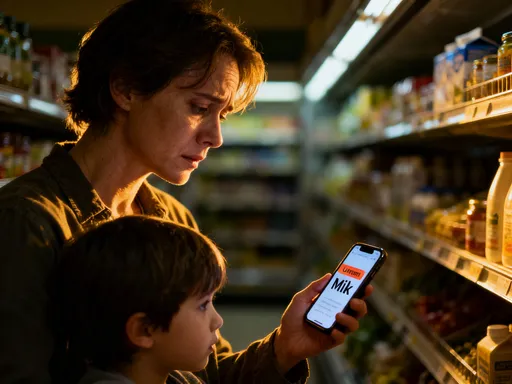
One app had a beautiful interface but made it nearly impossible to assign tasks. I wanted to let my husband handle car rentals and my daughter to track museum reservations, but everything defaulted to me as the 'organizer.' Another app had a checklist feature, but it wasn’t shared in real time. I added 'passports' to the list, only to find out at the airport that no one else had seen it. Then there was the app that sent ten notifications an hour—flight updates, weather alerts, currency tips—none of which were relevant to my 8-year-old, but all of which made my phone buzz like a trapped bee.
The biggest issue? Complexity. Too many apps tried to do everything—book flights, suggest restaurants, track expenses, create photo albums—without doing any one thing well. The menus were cluttered, the icons confusing, and the learning curve steep. My mother-in-law once told me, 'I just want to know when we’re leaving and where we’re staying. I don’t need a robot tour guide.' And she was right. Families don’t need more features. We need clarity, simplicity, and shared access. We need to see the same information, at the same time, without having to log in three times or decode a maze of menus. Most apps treated family travel like a side note, not the main event. And that’s why they didn’t work for us.
The One App That Changed Everything (And Why)
Then, last summer, we found it. Not through an ad or a recommendation, but by accident. My daughter downloaded it for a school project on city planning, and I noticed how clean and intuitive it was. At first, I didn’t think it was meant for travel. But when I started testing it for our trip to the Pacific Northwest, something clicked. This wasn’t just another app—it was a family command center.
What made it different? Simplicity. It didn’t try to book flights or suggest hiking trails. Instead, it focused on three things families actually need: a shared itinerary, a collaborative checklist, and real-time updates. The itinerary was color-coded—blue for my husband, pink for my daughter, green for my son, yellow for me. Everyone could see their own schedule at a glance. We had a section called 'Today’s Plan' that updated automatically when someone made a change. No more 'Did you get my text?' moments.
The checklist was a game-changer. It wasn’t just 'passport, tickets, charger.' We broke it down by person and by category: 'Medications,' 'Clothing,' 'Entertainment,' 'Documents.' And when someone checked an item off—like my son marking 'headphones'—everyone saw it instantly. No double-packing. No last-minute panic. One night, I realized I hadn’t packed my prescription. I added it to the list at 9 p.m. By 9:02, my husband had found the bottle and put it in his carry-on. That small moment gave me more peace than any luxury hotel ever could.
But the real test came on our departure day. The airport changed our gate last minute. In the past, that would have meant frantic calls, missed connections, and tears. This time, the app pushed the update to all our phones. My daughter saw it first. 'Mom, gate changed to B12. We have 18 minutes.' We made it—with time to spare. That’s when I knew: this wasn’t just helpful. It was transformative. It didn’t replace us as a family. It supported us. And that’s the difference.
How We Used It: A Real 5-Day Trip Breakdown
Let me walk you through how we used the app during our five-day trip to Oregon. It started two weeks before we left. We sat together at the kitchen table—me, my husband, the kids, even my mom, who was joining us. We opened the app and created a new trip titled 'PNW Adventure 2024.' We added the big items first: flight times, hotel address, rental car pickup. Then we broke it down.
I assigned roles based on age and interest. My husband took charge of transportation—flights, rental car, train tickets. My daughter, who loves research, handled activity bookings: the science museum, the whale watching tour, the botanical garden. My son, who’s great with lists, managed the packing checklist. I oversaw the daily itinerary and meal planning, especially since he has food sensitivities. My mom, who’s tech-shy but eager to help, was in charge of documenting special moments—she’d add photos and voice notes to the 'Memory Lane' section.
Each morning, we had a quick 10-minute huddle. We opened the app and reviewed 'Today’s Plan.' On day two, for example, we had breakfast at 8, check-out at 9:30, a three-hour drive to Crater Lake, and a picnic by the lake at 1. The app showed weather updates, estimated drive time, and even reminded us to fill the cooler. When my husband suggested stopping at a roadside berry farm, he updated the itinerary instantly. The new stop appeared on all our phones. 'Mom, I updated the picnic time!' my daughter said, grinning. No arguments. No confusion. Just flow.
On day four, we had a surprise rainstorm. Our outdoor hike was canceled. In the past, this would have thrown us into chaos. But with the app, we quickly pulled up our saved alternatives: a local aquarium and a pottery workshop. We voted as a family, chose the aquarium, and updated the plan. My son added 'bring rain jackets' to the checklist. My mom added a voice note: 'Don’t forget the camera—the otters are adorable!' That night, over pizza, my husband said, 'I can’t believe we handled that so smoothly.' We weren’t just surviving the trip. We were enjoying it.
Building Family Teamwork, One Trip at a Time
Here’s what surprised me most: the app didn’t just improve our travel plans. It improved our family. Before, I was the default planner, the memory-keeper, the one who carried the mental load. I’d stay up late making spreadsheets, only to feel unappreciated when someone forgot their swim goggles. Now, everyone has a role. My son checks the weather every morning. My daughter reminds me of activity times. My husband confirms hotel details. And me? I get to be present. I get to enjoy the journey instead of managing it.
But it’s more than delegation. It’s about inclusion. When my son sees his name next to 'packed swim trunks' on the checklist, he feels proud. When my daughter shares a new activity she found, she feels heard. When my mom adds a photo of us laughing at a diner, she feels connected. The app became a space where everyone mattered. And that changed our dynamic. We argued less. We smiled more. We made decisions together instead of waiting for me to decide.
There’s a moment I’ll never forget. We were driving through the mountains, the sky painted in gold and pink. My son said, 'This is the best trip ever.' I asked why. He said, 'Because no one was stressed.' That hit me hard. We spend so much time trying to create perfect vacations—perfect photos, perfect meals, perfect experiences. But what my kids really wanted was peace. They wanted to feel safe, included, and calm. And this simple tool helped us give them that. It didn’t replace our conversations or our laughter. It made space for them.
Tips for Making Any App Work Better for Your Family
You don’t have to use the same app we did. What matters is how you use it. Over the years, I’ve learned a few universal rules that make any travel app work better for families. First, set it up together. Don’t do it alone in the middle of the night. Gather everyone, explain the purpose, and let them choose their colors, their roles, their sections. When people help build the system, they’re more likely to use it.
Second, assign roles by age and interest. Don’t give your 6-year-old the budget sheet. But let them manage the 'toys and games' checklist. Let your teen handle restaurant reservations or activity research. Let grandparents track special moments. Everyone has something to contribute. Third, use voice notes for quick updates. Not everyone likes typing. A 10-second audio like 'We’re running 15 minutes late—grabbing coffee!' can prevent a dozen texts. And fourth, review the plan every night. It doesn’t have to be long—just five minutes before bed. 'What’s tomorrow look like? Any changes? Who’s bringing what?' This builds rhythm and reduces morning panic.
Consistency is key. If you only use the app when things go wrong, it becomes a tool of stress. But if you use it daily—even for small things—it becomes a habit. We started using it for weekend getaways, then for school trips, now even for family dinners. It’s not about the technology. It’s about the behavior it encourages: communication, responsibility, teamwork. And those skills last long after the vacation ends.
From Surviving Trips to Actually Enjoying Them
Three years ago, I used to dread trip planning. It felt like a second job. Now, I look forward to it. Not because the destinations are more exciting—though they are—but because the process is peaceful. I’m not carrying the weight alone. We’re in it together. The app didn’t fix everything. We still have moments of chaos. My son still loses his hat. My phone still dies at the worst time. But now, we handle it with grace. We adapt. We laugh. We move on.
What I’ve learned is that the best family trips aren’t the ones with perfect photos or five-star reviews. They’re the ones where everyone feels seen, heard, and supported. They’re the ones where you arrive at your destination not exhausted, but excited. Where the journey feels as good as the destination. And that starts long before you pack your bags. It starts with a plan that works. A plan that includes everyone. A plan that lets you breathe.
Technology doesn’t have to be cold or complicated. When it’s designed with real life in mind, it can bring us closer. It can give us back time, energy, and peace of mind. It can turn a stressful ordeal into a shared adventure. And isn’t that what family travel is supposed to be? Not a test of endurance, but a chance to connect. Not a checklist of sights, but a collection of moments. The app didn’t make our memories. We did. But it gave us the space to make them. And for that, I’ll be grateful every time we hit the road together.