What If Your Shopping List Knew What mattered Most—Before You Did?
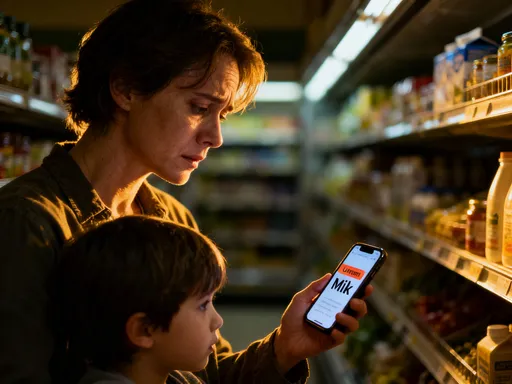
Imagine standing in the grocery aisle, staring at your phone, wondering why you always forget the one thing your family actually needs. It’s not about more apps or fancier features—it’s about priority. Seasonal shifts, busy schedules, and changing routines make managing a simple list harder than it should be. But what if your shopping list could adapt—quietly, intelligently—so you stay on top of what truly matters? Not just ticking off items, but knowing which ones truly count today, this week, this season? What if it didn’t just remember, but understood?
The Hidden Stress of the “Simple” Shopping List
We all use shopping lists. We scribble them on paper, type them into our phones, or send quick voice notes to ourselves while driving. We trust them to keep us organized, to save us time, to make sure we don’t come home empty-handed. But how often does that list fail us—especially when life gets messy? Think about it: it’s October, the kids are back in school, and you’re juggling early mornings, after-school practices, and meal prep. You check your list before heading to the store. It’s complete. Or so you think. You get home, unpack the groceries, and then it hits you—again. You forgot the reusable snack bags. The ones your daughter needs every single day. Again. Now you’re making a second trip. Again.
This isn’t just about forgetting a small item. It’s about the weight that accumulates—the frustration, the extra time, the mental load that never seems to lighten. For many of us, especially those managing households, the shopping list is supposed to be a tool of relief. Instead, it often becomes another source of quiet stress. We don’t talk about it much, but we all feel it. That moment when you realize you’re out of coffee on a Monday morning. When the kids ask, “Did you get my science project supplies?” and you have to say no. When your partner reminds you—gently, but still—it’s been three weeks since you bought laundry detergent.
The truth is, our needs aren’t static. Life changes—sometimes slowly, sometimes all at once. And yet, most of our lists stay the same. They don’t adjust when school starts. They don’t react when winter colds start going around. They don’t remember that Grandma is visiting next week and will need her favorite tea. A static list treats every item the same: milk, birthday candles, dish soap, and allergy medicine all sit side by side with equal urgency. But we know better. We know that some things matter right now, and others can wait. The problem isn’t our memory. The problem is that our tools aren’t designed to reflect the rhythm of our real lives.
Why Seasons Change Everything—Even Your Grocery List
Take a moment to think about how your shopping habits shift throughout the year. In June, you’re buying watermelon, burgers, and bug spray. By November, it’s soup ingredients, warm socks, and hot chocolate. These aren’t random changes—they’re responses to how your life actually unfolds. Seasons don’t just affect the weather; they reshape our routines, our meals, our social lives, and yes, our shopping lists.
Consider the back-to-school season. Overnight, your kitchen transforms. You’re no longer just feeding yourself or a couple. You’re packing lunches—five days a week. You need portioned containers, healthy snacks, maybe even special items for classroom parties. Your grocery list should reflect that shift. But does it? Or does it still show “olive oil” at the top while “granola bars” hides near the bottom, forgotten until the night before the first day?
Now think about the holidays. Whether it’s Thanksgiving, Christmas, or a family birthday in December, your needs spike in specific ways. You’re not just buying food—you’re buying decorations, wrapping paper, host gifts, maybe extra towels for guests. The list grows, but not in a random way. It grows in predictable patterns, tied to the calendar and your traditions. A smart list should know that. It should begin surfacing those items a few weeks in advance, not because you manually added them, but because it knows what time of year it is.
Even smaller shifts matter. In spring, you might start buying more fresh herbs and salad greens. In summer, you’re grabbing frozen treats and picnic supplies. In fall, it’s apples, pumpkin spice, and school supplies. These aren’t just preferences—they’re part of your family’s seasonal rhythm. And yet, most shopping apps treat every month the same. They don’t adjust. They don’t anticipate. They wait for you to remember. But what if they didn’t? What if your list could shift with the seasons, just like you do?
The Myth of the “Smart” List That’s Actually Just a Checklist
Let’s be honest—most of the “smart” shopping apps out there aren’t really that smart. They sync across devices. They let you share lists with your partner. Some even allow voice input so you can say “add eggs” while your hands are full. These are nice features, sure. But they don’t solve the real problem. They still treat your list like a flat, unchanging checklist. Every item carries the same weight. Milk is equal to birthday candles. Diapers are equal to scented candles. And that’s where the illusion of intelligence breaks down.
I remember talking to my friend Lisa last fall. She was frustrated. “My app reminds me to buy fancy truffle oil,” she said, “but it didn’t tell me I was out of baby wipes. Again. How is that smart?” I laughed, but I knew exactly what she meant. We’ve all been there. The app “remembers” the gourmet coffee you bought once, but forgets the toothpaste you go through every month. It highlights the item you added last, not the one you actually need most.
The issue isn’t technology. It’s context. Real intelligence isn’t about syncing or voice commands. It’s about understanding why you’re buying something, when you need it, and how important it is in this moment. Milk isn’t just an item. It’s breakfast for your kids. It’s your morning coffee. It’s a key ingredient in tonight’s recipe. If you run out, the ripple effect is real. But truffle oil? That can wait. A truly smart list wouldn’t just store items—it would understand their role in your life. It would know that some things are urgent, some are seasonal, and some can wait until next month.
Think about it: when you’re at the store, you don’t scan your list alphabetically. You look for what’s urgent. What’s running low. What’s needed for tonight’s dinner. A smart list should do the same. It should prioritize. It should adapt. It should feel less like a digital notepad and more like a thoughtful helper—one that knows your habits, your schedule, and your family’s needs.
Priority Management: The Missing Piece in Shopping Apps
So what’s the solution? It’s not more features. It’s better focus. The missing piece in most shopping apps is priority management. This isn’t about sorting your list by category or alphabet. It’s about ranking items based on what matters most—right now. Imagine opening your list and seeing the most urgent things at the top: milk, because you’re out and the kids need it tomorrow; school folders, because registration starts Monday; cold medicine, because someone in the house is sniffling.
How does it work? It starts with simple setup. You tell the app what matters when. For example, you can mark “school supplies” as high-priority from mid-August to early September. You can set “holiday baking ingredients” to rise in importance in December. You can even assign recurring priorities—like “laundry essentials” every three weeks, or “fresh produce” every weekend. The app learns these patterns and begins to surface the right items at the right time.
But it doesn’t stop there. A truly adaptive list also responds to real-time signals. If you buy soup three weeks in a row during a cold snap, the app might start suggesting it automatically when the temperature drops. If you always buy extra snacks the week before a big game, it learns that pattern too. It’s not guessing. It’s observing. And over time, it gets better at predicting what you’ll need before you even think to add it.
The beauty of priority management is that it reduces mental load. You’re not constantly editing, reordering, or reminding yourself. The app does the heavy lifting in the background. You open it, and it shows you what’s important. Not everything. Just what matters most. That’s the shift—from a tool that stores information to one that curates it. And that makes all the difference.
How Technology Learns Your Life—Without You Lifting a Finger
The best technology doesn’t demand your attention. It works quietly, almost invisibly, making your life easier without fanfare. Think about how your phone learns your driving routes or how your music app suggests songs you actually like. These tools don’t require daily updates. They observe. They adapt. They get smarter over time. Your shopping list can—and should—work the same way.
Let me tell you about Sarah, a busy mom of two and a project manager at a marketing firm. She’s not a tech enthusiast. She just wants things to work. A year ago, she switched to a shopping app with adaptive learning. At first, she didn’t notice much. She added items as usual. But over time, something changed. She started seeing suggestions that felt… uncannily right. In October, the app began surfacing hot cocoa and hand warmers before she even thought about them. In May, it reminded her about sunscreen and picnic supplies a week before her family’s annual lake trip.
“I didn’t set any of that up,” she told me. “I just kept using it. And somehow, it knew.” That’s the power of passive intelligence. The app wasn’t reading her mind. It was learning her patterns—how her purchases shifted with the seasons, how her needs spiked before certain events, how her household consumed certain items at predictable rates. It didn’t need complex instructions. It just needed time and consistency.
This kind of technology isn’t about replacing your judgment. It’s about supporting it. It’s like having a thoughtful assistant who pays attention to the details you don’t have time to track. You still make the final decisions. You still add new items. But the app helps you stay ahead by highlighting what’s likely to matter next. And the more you use it, the better it gets. It’s not magic. It’s machine learning applied to real life—with care, not control.
Real Families, Real Wins: Stories of Calmer Kitchens and Fewer Trips
Let’s talk about real results. Because behind every good tool are real people finding real relief. Take Mark and Jen, a couple in Ohio with two teenagers. Last winter, they were making an average of five grocery trips a month—often last-minute, often stressful. Then they started using a priority-based shopping app. By August, they had set seasonal flags for school supplies, winter clothes, and cold-weather foods. The app began surfacing urgent items first. “We didn’t realize how much time we were wasting,” Mark said. “Now we go once a week, and we actually get everything we need.” They estimate they’ve reduced unnecessary trips by 40%—and their stress level has dropped even more.
Then there’s Maria, a single mom in Austin. Back-to-school season used to be overwhelming. Between work, appointments, and her daughter’s dance classes, she’d forget something important—always. “Last year, I forgot the glue sticks,” she said. “We had to go to the store the night before the first day. Again.” This year, she used an adaptive list. She marked school items as high-priority in August. The app reminded her two weeks in advance. “I didn’t know I needed this until I stopped forgetting things,” she said. “Now I feel like I’m ahead for once.”
And let’s not forget retirees like Robert, who lives in Maine. He and his wife eat seasonally—fresh berries in summer, root vegetables in winter. His old list didn’t reflect that. He’d buy apples in July and miss out on local blueberries. Now, his app suggests seasonal produce based on local availability and his past purchases. “It’s like the list respects the rhythm of the year,” he said. “And us.”
These aren’t extraordinary stories. They’re everyday wins. Fewer trips. Less stress. More time with family. Stronger routines. And behind each one is a simple idea: your tools should work with your life, not against it.
Building a List That Feels Like It Knows You—And Your Season
So what’s the future of the shopping list? It’s not more buttons. It’s not flashier designs. It’s deeper understanding. It’s a list that doesn’t just remember what you bought last time, but knows why you bought it—and when you’ll need it again. A list that respects your time, adapts to your rhythm, and honors what’s important right now.
This isn’t science fiction. It’s possible today. With adaptive learning, priority management, and seasonal awareness, your shopping list can become more than a checklist. It can become a quiet partner in your daily life—one that helps you stay on top of what matters, without adding to the noise.
Because when your list knows your season, it doesn’t just help you shop. It helps you live. It gives you back time. It reduces stress. It lets you focus on what really matters—your family, your health, your peace of mind. And isn’t that what technology should do? Not impress us with features, but support us in the moments that count.
So the next time you stand in that grocery aisle, phone in hand, take a moment to ask: is my list working for me? Or am I working for it? Because the tools we use every day should make life easier, not harder. They should feel like they know us—our habits, our seasons, our priorities. And when they do, something small—like a shopping list—can make a big difference. Not just in what we buy, but in how we live.