I kept saying ‘I’ll watch it later’—now my feed knows what I actually want
Have you ever spent 20 minutes scrolling, only to watch nothing? I used to lose hours just looking for something good to watch. Then I noticed how platforms started showing me exactly what I’d enjoy—almost like they knew me. It wasn’t magic; it was personalization. Now, I find shows I love in seconds, and my evenings feel calmer, more intentional. This isn’t about algorithms—it’s about how technology quietly makes life a little easier, one smart suggestion at a time.
The Endless Scroll That Ate My Evenings
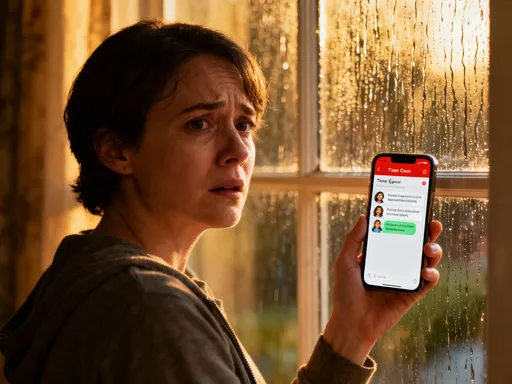
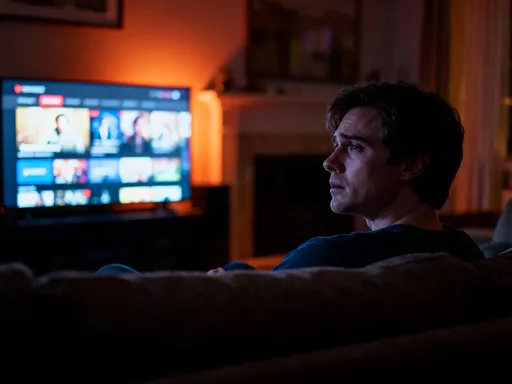
Remember those nights when you finally sit down after a long day, ready to relax with something on screen, only to spend half an hour flipping through menus, trailers, and thumbnails with nothing catching your eye? I do—way too often. I’d open my favorite streaming app, hopeful, thinking, “This is going to be the night I finally watch that show everyone’s talking about.” But instead, I’d end up watching a cooking video from 2017 I already saw twice, or giving up and going to bed feeling like I wasted my only free time.
It wasn’t just me. So many of us fall into this trap—what psychologists call “choice overload.” When we’re faced with too many options, our brains freeze. We don’t feel empowered—we feel exhausted. And with thousands of shows, movies, documentaries, and reality series at our fingertips, that overload is real. I started to dread logging in. What should’ve been a moment of joy became another chore, another decision to make when I just wanted to unwind.
What I didn’t realize then was that the problem wasn’t the content—it was the lack of guidance. We’re not meant to browse endlessly. We’re meant to connect—with stories, with laughter, with ideas that move us. But without a little help, we miss out. That’s when I began to notice something shifting. The platforms I used weren’t just throwing more at me—they were starting to show me less, but better. And slowly, my evenings changed.
How Platforms Learn What You Like (Without You Saying a Word)
At first, I thought it was coincidence. I’d open the app, and there it was—a show about gardening in Japan. I hadn’t searched for it. I didn’t even know I was into gardening. But within minutes, I was hooked. How did it know? The truth is, I’d been giving clues all along. I watched a documentary about cherry blossoms. I paused halfway through a film set in Kyoto. I clicked on a short video about tea ceremonies and watched it all the way through. I didn’t fill out a survey or write a review. I just… watched. And the platform noticed.
Think of it like a thoughtful librarian who never interrupts you but pays close attention to what you check out. She sees you pick up cookbooks every few weeks, always with seasonal ingredients. Then one day, she slides a new title across the counter: “I thought you might like this—just came in.” That’s what personalization feels like when it works well. It’s not about being tracked. It’s about being understood—quietly, respectfully.
These platforms learn from your behavior: what you finish, what you abandon after five minutes, what you rewatch, even when you fast-forward or pause. They notice if you watch on weeknights or only on weekends, if you prefer something light before bed or something gripping to stay up for. Over time, the suggestions get sharper, not because the tech is invasive, but because it’s consistent. And the more you use it, the better it gets—like a friendship that deepens with time.
From “Meh” to “This Is So Me” – When Suggestions Finally Get Personal
There was one moment that changed everything for me. I was tired, scrolling half-heartedly, when a title popped up: The Story of Clay: A Potter’s Journey. I almost skipped it. But something about the cover—soft light, hands shaping a bowl—made me click. Forty minutes later, I was completely absorbed. It wasn’t flashy or famous. It wasn’t trending. But it felt like it was made for me. I remember thinking, “How did they know I’ve always wanted to try pottery?”
That’s when it hit me: this wasn’t random. This was personal. And that small moment sparked something bigger—a sense of being seen. Not in a creepy way, but in a comforting one. Like someone finally handed me a menu with only the dishes I’d actually enjoy. It wasn’t about having more choices. It was about having the right ones.
That trust grew over time. When a new documentary about women scientists in the 1950s appeared, I didn’t hesitate. I clicked. And again, it was perfect. I started looking forward to opening the app, not dreading it. Because now, it felt like it knew me. Not because I told it everything, but because it paid attention. And that shift—from indifference to delight—changed how I experience my downtime.
More Than Just Shows—Personalization That Respects Your Time
Let’s be honest: our time is precious. Especially when you’re juggling work, family, meals, and everything else that comes with running a household. The last thing you need is to spend your 30-minute window after the kids go to bed trying to pick a show. I used to feel guilty when I couldn’t “make the most” of my free time. But now, I don’t waste it scrolling. I open the app, see something that matches my mood, and press play. That’s it.
Good personalization doesn’t just suggest—it protects. It shields you from decision fatigue, that mental exhaustion that comes from making too many small choices. On days when I’m drained, it’s like having a co-pilot. “You’ve had a long day,” it seems to say. “Here’s something warm, familiar, and comforting.” And on days when I’m curious, it nudges me gently: “Want to try something new?”
It’s not about watching more. It’s about watching better. And that makes all the difference. I’m not filling time—I’m enjoying it. I laugh more. I learn more. I feel more connected to the world and to myself. That’s the real gift of smart suggestions: they don’t just save minutes. They give back peace of mind.
Helping Families Find Common Ground Without the Fight
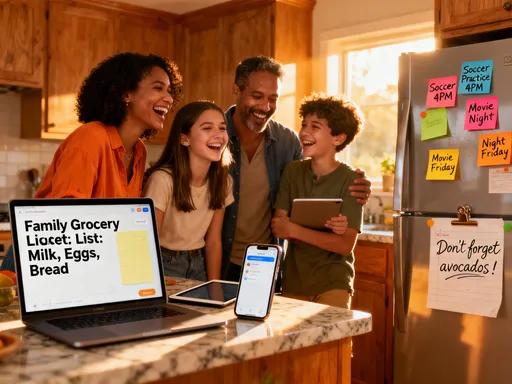
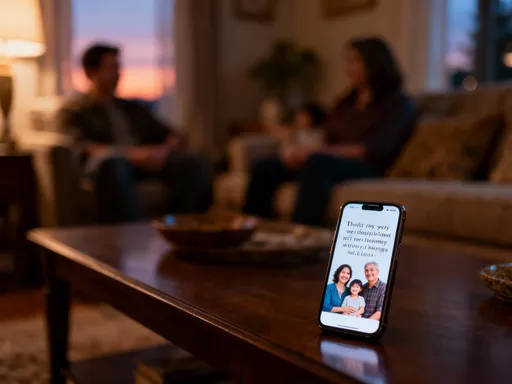
One of my favorite surprises? How personalization helps my family watch together—without the usual arguments. We all have our own profiles, so my son’s animated adventures don’t mix with my love for historical dramas. But the platform still finds ways to bring us together. Last weekend, it suggested a nature documentary about ocean creatures. My daughter loves whales, my husband enjoys science, and I’ve always been drawn to underwater photography. None of us would’ve picked it alone. But together? It was perfect.
That’s the quiet magic of smart tech—it doesn’t just serve individuals. It helps groups find harmony. I’ve noticed it suggesting family-friendly films during holidays, or lighthearted comedies on Friday nights. It’s like the app knows when we need to reconnect. And sometimes, the best moments aren’t the ones we plan—they’re the ones we stumble into, guided by a suggestion that just… fits.
Even my mom, who was skeptical at first, now texts me when she finds a great show. “This was recommended to me—can you believe it’s about flower arranging in England?” I laughed, because of course it was. She’s always loved gardens. The tech didn’t create her interest. It just helped her find it again. And now, we have something to talk about. That’s connection. That’s what matters.
Growing With You—When Your Taste Changes and the Platform Notices
Our tastes aren’t fixed. I used to watch almost nothing but sitcoms—something light, familiar, easy. But after my dad passed, I found myself drawn to deeper stories—documentaries about resilience, films about healing, anything that helped me process. I didn’t plan it. It just happened. And slowly, my feed changed too.
I started seeing fewer laugh tracks and more quiet moments—stories about people rebuilding their lives, about art as therapy, about nature’s power to restore. I didn’t change any settings. I didn’t search for these topics. But the platform noticed the shift. It saw that I was pausing to take in certain scenes, that I was watching until the end, that I was sharing some with friends. And it adapted.
That’s what I appreciate most: it doesn’t lock you in. You’re not stuck with the shows you loved five years ago. The system evolves as you do. If you start watching cooking shows, it’ll suggest more. If you drift toward travel videos, it’ll follow. It’s not forcing anything. It’s simply reflecting you—like a mirror that learns over time. And that makes it feel less like a machine and more like a quiet companion on your journey.
Taking Control—Simple Ways to Shape What You See
Here’s the thing: you’re not passive in this. You have more power than you think. Personalization works best when you give it gentle guidance. And it’s easier than you’d expect. Start with the little things. Click the heart when you love a show. Use the “Not Interested” button when something doesn’t land. These aren’t just buttons—they’re conversations. You’re teaching the platform your taste, one click at a time.
Managing profiles helps too. I made separate ones for each of us, so my daughter’s cartoons don’t mess up my drama recommendations. And if I go through a phase—like when I binged every baking competition show last winter—I can clear my watch history if I want a fresh start. It’s like hitting reset on a conversation. “Let’s begin again,” you’re saying.
Think of it like training a friendly assistant. You wouldn’t expect them to know your preferences on day one. But over time, with a little feedback, they get it. The same is true here. You don’t need to be tech-savvy. You just need to be you. And the more you engage, the more it feels like the app is truly yours.
When Technology Feels Like It Cares
At the end of the day, we don’t just want convenience. We want connection. We want to feel understood, especially in a world that often feels too fast, too loud, too demanding. When I open my app now and see a recommendation that feels like it was made just for me, it’s not about the show. It’s about the feeling—that someone, or something, is paying attention.
It’s not perfect. Sometimes I still get a weird suggestion. But more often than not, it’s spot-on. And that small act of recognition—of being seen—adds up. It makes my evenings gentler. It gives me back time. It helps me laugh, reflect, learn, and sometimes, just breathe.
That’s the quiet power of personalization done right. It’s not about data or algorithms. It’s about dignity. It’s about respecting your time, your taste, your life. And in a small but meaningful way, it reminds me that technology, at its best, isn’t cold or distant. It’s warm. It’s thoughtful. It’s a little bit like care.