Tired of Missing Those Quiet Family Moments at bedtime? This app helps you hold on to them
We’ve all been there—your child whispers a sweet dream idea, your partner murmurs a midnight thought, or you finally catch a still moment in the chaos of daily life, only to forget it by morning. These fleeting words matter, especially when they come from the people you love. What if a simple voice memo could preserve not just sound, but emotion, connection, and the quiet beauty of family life? That’s where this small but powerful tool steps in—quietly transforming how we listen, remember, and stay close.
The Silent Gaps in Our Family Lives
There’s a kind of magic that only happens in the hush of night or the soft glow of early morning—those in-between times when the world slows down and hearts open a little wider. It’s when your six-year-old, drowsy and tangled in blankets, says, “I had a dream we flew to the moon together,” or when your partner, half-awake, shares a worry they’ve carried all day. These aren’t the moments we plan or photograph. They’re unplanned, unposed, and often forgotten by breakfast. And yet, they’re the ones that, when remembered, can bring tears to your eyes years later.
I used to think I’d remember everything. The way my daughter laughed when she mispronounced “spaghetti” as “pasketti.” The time my son whispered, “I’m brave, but I still like cuddles,” before closing his eyes. But life moves fast. One day blends into the next. The laundry piles up, the calendar fills, and those delicate moments—so vivid in the moment—fade like old photographs left in the sun. I’d catch myself wondering, “Did he really say that? Or did I dream it too?” That’s when I realized: memory is beautiful, but it’s not enough.
What we often overlook is how much emotional weight these quiet exchanges carry. They’re not just words. They’re proof of presence. They’re tiny threads weaving the fabric of our family story. And when we lose them, we don’t just lose a memory—we lose a piece of connection. We don’t need another milestone or big event to feel close. What we need is to hold on to the soft, ordinary, deeply human moments that happen when no one’s watching. That’s where technology, used gently and with care, can step in—not to replace, but to preserve.
How Voice Memos Became Our Family’s Secret Keeper
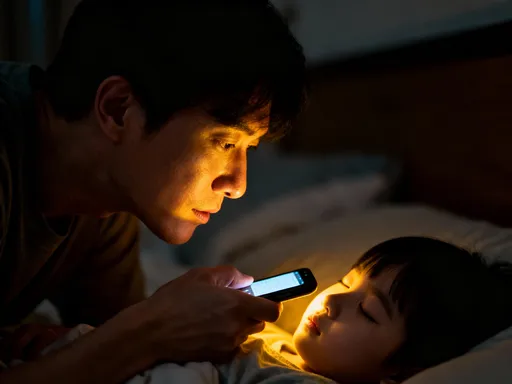
It started small. One night, after my daughter fell asleep, I reached for my phone and recorded her soft breathing. Not because I thought it was special at the time, but because I didn’t want to forget how peaceful she looked. The next week, I recorded her singing a made-up lullaby about a dancing banana. Then my husband’s deep laugh during a late-night board game. I wasn’t documenting for anyone else. I was saving these sounds for me—for us.
Over time, these voice memos became something more than recordings. They became emotional anchors. On a tough day, when the house felt too loud and my patience too thin, I’d play back that banana song. And just like that, I’d feel my shoulders drop, my breath slow. It wasn’t magic. It was memory, made real through sound. Hearing her voice—so full of joy and silliness—reminded me why I do what I do. It grounded me in the love that’s easy to forget when you’re in the thick of it.
One winter morning, after a snowstorm had canceled school, I recorded the kids building a pillow fort and arguing over who got the “best” corner. A year later, I played it during a hot summer afternoon when they were bickering over screen time. The contrast was instant. “That was us?” my son said, laughing. “We used to fight over pillows?” In that moment, the tension melted. The recording didn’t just capture sound—it captured a feeling, a time, a version of us that still existed, even if it felt far away.
What surprised me most was how these clips helped during harder times, too. When my mom was going through a tough recovery, I sent her a recording of my youngest saying, “Nana, I drew you a sunshine with legs.” She called me, crying. “I needed that,” she said. “I needed to hear that voice.” That’s when I realized: these aren’t just for us. They’re gifts we can give to others, too—reminders of love, of light, of connection, exactly when they’re needed most.
Why Sleep-Time Moments Matter More Than We Think
There’s something about the quiet hours that unlocks honesty. When the lights are low and the day’s noise has faded, people tend to speak more openly. Kids who wouldn’t say “I’m scared” at dinner might whisper it in the dark. Partners who’ve been busy all week might finally say, “I miss us.” These moments aren’t rare—they happen all the time. But they happen when we’re tired, distracted, or already halfway asleep. And so, they slip away.
Psychologists have long known that vulnerability increases in low-stimulation environments. Nighttime, with its stillness and safety, creates the perfect space for emotional openness. It’s not that people are more emotional then—it’s that they feel safer to be themselves. And when someone shares something tender in that space, it’s not just a comment. It’s a gift. A quiet “I trust you” wrapped in a sleepy voice.
But here’s the thing: we don’t always know how to hold that gift. We want to remember it. We want to respond. But by morning, the words are gone, and we’re left with just the feeling—fading fast. That’s why capturing these moments isn’t about surveillance or over-documenting. It’s about honoring them. It’s saying, “What you said mattered. I heard you. And I want to keep it.”
I’ve started using voice memos not just for the sweet moments, but for the hard ones too. When my daughter was anxious about starting second grade, she told me in the dark, “What if no one likes me?” I recorded it—not to analyze it later, but to show her, weeks after, that she’d made it through. “Remember this?” I said, playing it back. “And look at you now—you’ve got so many friends.” She smiled, not because of the recording, but because she felt seen. The tech didn’t fix anything. But it helped me show up in a deeper way.
Choosing the Right App Without the Tech Stress
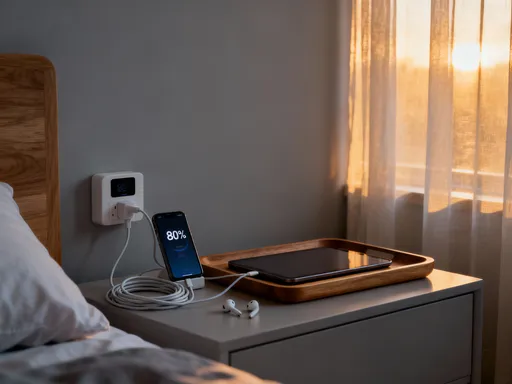
I’ll be honest—I used to get overwhelmed by apps. So many options, so many features. Voice filters. Transcription. Cloud sync with five different accounts. I didn’t want any of that. I just wanted something simple. Something I could use at 10 p.m. with one hand while tucking in a child and not wake anyone up.
After trying a few, I learned what really matters. First: one-tap recording. If I have to unlock my phone, open an app, and press two buttons, I’ll miss the moment. The best apps let me start recording instantly—sometimes even from the lock screen. Second: automatic backup. I don’t want to lose a recording because my phone broke or got stolen. Cloud storage that happens quietly in the background is a must. I don’t need to see it happen. I just need to know it’s happening.
Third: quick playback. I don’t want to scroll through a list of files named “Voice Memo 47.” I want to tap once and hear my child’s voice. Some apps let you add simple labels or dates, which helps. But even without that, just having the most recent recording on top makes a big difference. And finally: privacy. These aren’t videos for social media. They’re personal. Sacred, even. I need to know that only people I trust can access them. So I look for apps with strong privacy settings—ones that don’t analyze my voice or sell my data.
The app I use now doesn’t have flashy features. It doesn’t do live transcription or voice recognition. And that’s why I love it. It does one thing well: it records. It works in the dark. It doesn’t make a sound when I start. It saves automatically. And when I want to listen, it’s there. No fuss. No stress. Just peace of mind. You don’t need the most advanced tool. You just need one that works when you need it—especially when you’re tired, emotional, or half-asleep.
Building a Ritual, Not Just a Recording Habit
The real magic didn’t happen when I downloaded the app. It happened when I started using it as part of our family rhythm. At first, it felt a little strange—pulling out my phone during bedtime. But I wasn’t scrolling. I wasn’t texting. I was listening. And recording. Slowly, it became part of our routine.
We started a “goodnight thought” tradition. Before lights out, each child shares one thing they loved that day. Sometimes it’s big: “I made a new friend.” Sometimes it’s small: “I liked the toast with strawberry jam.” I record it. Not every night—just when it feels right. And sometimes, I ask my husband to share too. “What’s one thing you’re grateful for?” We don’t do it to perform. We do it to pause. To breathe. To connect.
On weekends, we have “memory mornings.” Over pancakes, I play back a recording from the past week. It could be a silly argument about who gets the last pancake, a joke my husband told, or my daughter singing in the shower. We listen together. We laugh. We remember. It’s not about perfection. It’s about presence. And over time, the kids started asking for it. “Can we hear a memory?” they’ll say. That’s when I know—it’s not just me saving moments. We’re building them together.
I’ve also learned not to force it. Some nights, no one wants to share. Some nights, I’m too tired to press record. And that’s okay. The habit isn’t about capturing everything. It’s about being open to the moments that matter. It’s about teaching our kids that their voices—soft, sleepy, or silly—are worth keeping. And it’s about showing them that we, as parents, are listening. Really listening.
When Technology Actually Feels Human
We hear a lot about how technology pulls us apart. How screens distract. How apps steal our attention. And yes, some do. But not all tech has to be loud or demanding. Some tools, when used with intention, can help us slow down, connect deeper, and pay better attention. This voice memo app isn’t flashy. It doesn’t buzz or ping. It doesn’t demand likes or shares. It just sits quietly, ready to hold a moment when we need it.
What makes it feel human isn’t the software. It’s how we use it. We’re not recording for views. We’re not editing or curating. We’re not trying to impress anyone. We’re saving the unfiltered, unpolished, real-life sounds of our family. The sniffles. The yawns. The giggles. The pauses. These aren’t perfect. But they’re true. And in a world that often feels too fast, too loud, too staged, that truth is a gift.
I’ve started to see the app as less of a tool and more of a companion—a quiet witness to our life. It doesn’t judge. It doesn’t interrupt. It just listens. And in return, it helps me listen too. When I know I might record a moment, I pay closer attention. I lean in. I wait for the pause. I hear more than words—I hear tone, rhythm, breath. The app hasn’t changed my family. But it’s changed how I show up in it.
And that’s the quiet rebellion of this simple practice: in a digital world full of noise, we’re choosing to keep what’s soft. We’re protecting the fragile, fleeting moments that make life meaningful. We’re saying, with every tap of the record button, “This matters. You matter. And I want to remember.”
The Quiet Gift We’re Giving Ourselves
Someday, my children will grow up. They’ll move out, build lives, start families of their own. And one day, maybe, I’ll sit with them and play these recordings. Not to make them cry. Not to make them feel guilty for growing up. But to remind them—and myself—of who we were. Of the love that held us together, even on the messy days.
These voice memos aren’t about nostalgia. They’re about continuity. They’re proof that we were present. That we noticed. That we cared enough to press record. And when my daughter hears her own sleepy voice saying, “Mom, you’re my best friend,” she won’t just remember the words. She’ll feel them. The love. The safety. The belonging.
But the gift isn’t just for the future. It’s for now. Every time I listen to a recording, I slow down. I reconnect. I remember why I chose this life—the laundry, the meals, the bedtime battles, the early wake-ups. It’s not the big events that define family. It’s the quiet moments in between. The ones no one sees. The ones we almost forget.
By saving them, we’re not just preserving memories. We’re honoring our lives. We’re teaching ourselves—and our children—that the softest voices, the quietest moments, the simplest “I love yous” are worth holding on to. And in that act of listening, recording, and remembering, we’re not just using technology. We’re using it to love better, live deeper, and stay close—no matter how much time passes.