From Hesitant to Confident: How Fresh Produce Delivery Cleared My Kitchen Chaos
Ever stood in front of the fridge, unsure what to cook, while wilted greens shrivel in the drawer? I used to dread grocery shopping—overbuying, under-planning, and always wasting food. But after months of relying on fresh produce delivery platforms, something shifted. The stress faded. My meals became smarter, my time freer, and my kitchen finally felt under control. It wasn’t just convenience—it was a quiet transformation in how I make daily decisions. What started as a simple search for less chaos ended up giving me more confidence, more calm, and a surprising sense of clarity in my everyday life.
The Overwhelm Before: How Grocery Shopping Drained My Energy
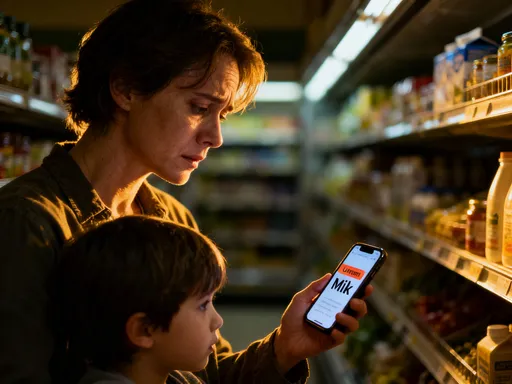
Let’s be honest—shopping for groceries used to feel like a part-time job. Every weekend, I’d load up the car, pack snacks for the kids, and brace myself for the fluorescent-lit maze of the supermarket. By the time I got there, I was already tired. My list? Probably left on the kitchen counter. My focus? Scattered between checking prices, reading labels, and trying to remember what we actually needed. I’d walk out with bags full of things we didn’t need and forget the one thing my daughter had begged for all week. Again.
And then came the aftermath: the unpacking, the sorting, the guilt. I’d open the crisper drawer three days later to find a sad, half-rotten bell pepper staring back at me. A bunch of cilantro turned to mush. A forgotten zucchini, now soft and suspicious. Food waste used to weigh on me—not just the money lost, but the effort gone to waste. I’d stand in front of the fridge at 6 p.m., exhausted, staring at ingredients that didn’t inspire me, while my kids asked, ‘What’s for dinner?’ and my partner quietly suggested takeout. Again.
It wasn’t just about the food. It was the mental load. The constant decision-making: what to buy, how much to buy, when to use it, how to store it. The pressure to cook healthy meals while juggling work, school schedules, and household tasks. I felt like I was failing at something that was supposed to be natural. And every spoiled carrot felt like a personal defeat. The kitchen, which should have been a place of warmth and nourishment, had become a source of stress.
First Doubts: Why I Was Skeptical About Vegetable Boxes and App Orders
When a friend first suggested I try a fresh produce delivery service, I was skeptical. I remember saying, ‘But how can a box of veggies know what I like to cook?’ I pictured limp lettuce, underripe fruit, and a bill that would make me wince. I’d heard stories—delivery delays, wrong items, packaging that looked like a science experiment. And honestly, I wasn’t sure I could trust something I couldn’t see or touch. Isn’t part of the joy of cooking about choosing the perfect tomato, feeling its firmness, smelling its earthiness?
There was also the cost. At first glance, the subscription seemed more expensive than my usual grocery run. I worried it would be a luxury I couldn’t justify. And what if I didn’t like what they sent? Could I skip a week? Cancel anytime? I didn’t want to feel locked in. Plus, there was something almost cultural about it—this idea that real cooking starts at the market, with your hands in the soil-covered carrots, bargaining with the vendor, discovering a new herb on a whim. Could an app really replace that?
But I was tired. Tired of the waste, tired of the stress, tired of the cycle. So I took a small step. I signed up for the smallest box, the most basic plan, with no commitment. I told myself it was just a trial. One week. If it didn’t work, I’d go back to the old way. I didn’t tell anyone. It felt like admitting I couldn’t handle it on my own. But deep down, I knew I wasn’t looking for a replacement for the market—I was looking for a little help. And maybe, just maybe, a way to feel more in control.
The Turning Point: One Week That Changed Everything
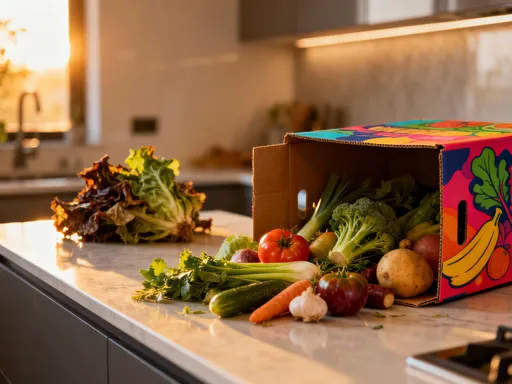
The box arrived on a Tuesday morning. I wasn’t expecting much. I opened it carefully, half-prepared to be disappointed. But what I found surprised me. The greens were crisp—kale with deep, vibrant leaves, spinach that hadn’t started to yellow. There was a bunch of rainbow chard, still damp from washing, and a small container of cherry tomatoes, bright and firm. Even the herbs—basil, dill, and parsley—smelled fresh, like they’d just been cut.
And then something shifted. Instead of feeling overwhelmed, I felt inspired. I looked at the ingredients and thought, ‘I could make a frittata with these.’ Then, ‘Maybe a grain bowl with roasted sweet potatoes and tahini dressing.’ For the first time in months, I wasn’t staring at blank cabinets. I had limits—but within those limits, I had clarity. I cooked three meals in two days using only what was in the box. No extra trips. No last-minute panic. And nothing went to waste.
That week, I noticed something else: I wasn’t obsessing over choices. I didn’t have to decide what to buy because it was already chosen for me—thoughtfully, seasonally, with care. The variety was better than I expected. I tried kohlrabi for the first time. I made a salad with radicchio because it was there, not because I’d planned it. And my kids? They loved helping me unpack the box, pulling out the colorful vegetables like it was a treasure hunt. ‘Look, Mom, purple carrots!’ That joy was unexpected. It wasn’t just about saving time. It was about rediscovering the pleasure in simple, fresh food.
How It Quietly Boosted My Decision Speed
One of the most surprising benefits was how much faster I made decisions—not just about food, but about my whole day. When I knew the produce was fresh and already in the kitchen, I didn’t waste mental energy asking, ‘Do we have enough?’ or ‘Is anything going bad?’ That constant background noise—the low hum of kitchen anxiety—started to fade. I could look at the box on delivery day and plan meals in minutes. No more scrolling through recipes while standing in the grocery aisle.
Having a curated selection also reduced decision fatigue. Too many choices can be paralyzing. But with a limited, high-quality set of ingredients, I found myself being more creative, not less. It was like a cooking challenge in the best way. ‘What can I make with these five things?’ became a fun question, not a stressful one. I started combining flavors I wouldn’t have thought of before—roasting cauliflower with lemon and cumin, using kale in a smoothie, turning leftover roasted beets into a quick tart.
This clarity spilled into other parts of my routine. Packing school lunches became easier because I knew what was fresh and ready. When friends dropped by unexpectedly, I didn’t panic—I could whip up a platter of sliced veggies and hummus in minutes. Even grocery budgeting improved because I wasn’t overbuying. I started tracking how much I saved by avoiding last-minute store runs and impulse purchases. The delivery didn’t eliminate effort—it redirected it. Instead of spending energy on logistics, I could focus on the joy of cooking, the warmth of sharing a meal, the satisfaction of a clean fridge at the end of the week.
Beyond Convenience: The Ripple Effects on Family and Routine
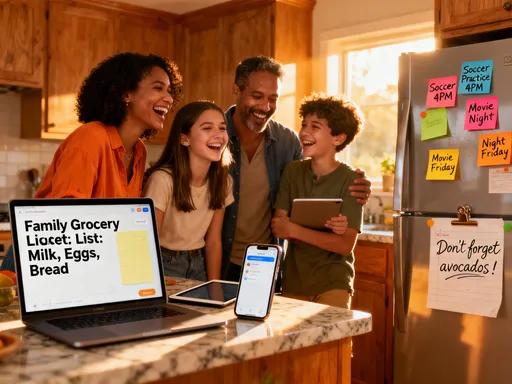
The change wasn’t just mine—it touched our whole household. Dinner prep, which used to be rushed and tense, became calmer. I wasn’t scrambling at 5:30 p.m., trying to figure out what to cook while the kids hovered around asking for snacks. Instead, I could start earlier, with music on, maybe even let the kids help wash lettuce or stir a pot. They started recognizing vegetables by name. ‘Mom, is this Swiss chard?’ one of them asked, holding up a leaf proudly. That moment meant more than I expected.
Healthier eating happened naturally. With fresh produce front and center, we snacked on sliced cucumbers and cherry tomatoes instead of reaching for chips. My partner noticed the difference. ‘Meals taste better,’ he said one night. ‘And you seem less stressed.’ I hadn’t realized how much my mood affected the whole family until it shifted. We started having more sit-down dinners, fewer takeout nights. The rhythm of the week felt more predictable, more grounded.
There was also an emotional shift. I wasn’t carrying the weight of ‘What’s for dinner?’ alone anymore. The delivery service didn’t replace my role as the home cook—it supported it. It gave me space to breathe, to think, to enjoy the process. And that small shift in energy made a big difference. I had more patience. I laughed more at the dinner table. The kitchen, once a source of stress, started to feel like a place of connection again. It wasn’t about perfection. It was about presence.
Choosing the Right Platform: What Actually Matters After Months of Testing
Not all produce delivery services are the same. I tried a few before finding the one that worked for my life. At first, I was drawn to the ones with fancy apps and bold promises. But what really matters isn’t the tech—it’s the reliability. Does the box arrive on time? Is the produce actually fresh? Can you pause or skip weeks without hassle? I learned to look beyond the marketing and focus on the basics.
Transparency in sourcing made a big difference for me. I wanted to know where my food came from. The platform I stuck with shares the names of local farms and even posts seasonal updates—like when strawberries are peaking or when kale grows sweeter after a frost. That connection to real growers gave me confidence in the quality. The packaging is minimal and recyclable, which matters to me as a parent trying to teach my kids about sustainability.
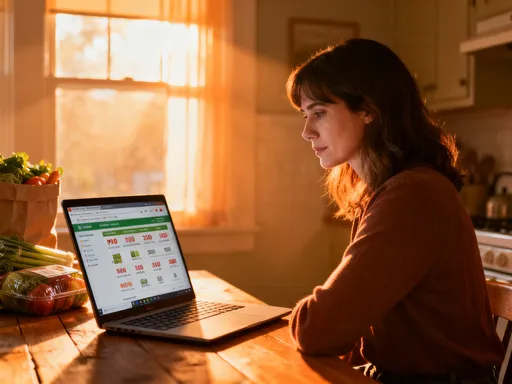
The user experience matters too, but not in the way I first thought. I don’t need a flashy interface. I need something simple, clear, and easy to use—even on a busy morning. Clear labeling helps: knowing which herbs are cilantro vs. parsley, or whether the greens are baby spinach or mature. Helpful tips, like how to store herbs in water or how to roast a beet, make a difference. And portion size? That took some adjusting. I started with a small box and moved to medium once I saw how much we actually used. Now, I rarely have leftovers that go bad.
Cost is always a concern, but I’ve reframed how I think about it. Yes, the weekly price is visible. But I also consider the value: the time saved, the stress reduced, the food waste eliminated. When I add it up, it’s not just a food expense—it’s an investment in my well-being and my family’s rhythm. And because I can adjust the plan anytime, I don’t feel trapped. It’s flexibility, not obligation, that makes it sustainable.
A New Normal: How This Small Change Made Life Feel Lighter
Looking back, I realize this wasn’t just about getting vegetables delivered. It was about giving myself permission to accept help. To admit that I don’t have to do it all. That using technology to simplify a daily task doesn’t make me less capable—it makes me smarter. The box didn’t cook the meals for me, but it removed the friction that used to drain me. It gave me back time, space, and energy—precious things when you’re managing a home, a family, and your own sense of self.
I’ve noticed a quiet confidence growing in other areas of my life. When I can trust that dinner is covered, I feel more capable of handling whatever else comes my way. That sense of control, of clarity, has spread beyond the kitchen. I make decisions faster. I feel calmer. I’m more present with my family. And I’ve started to see technology not as something cold or impersonal, but as a tool that, when used with intention, can support the life I want to live.
This small habit—a weekly box of fresh produce—has become a quiet anchor in my routine. It reminds me that progress doesn’t always come from big changes. Sometimes, it comes from choosing one thing to make easier, so you can pour your energy into what truly matters. For me, that’s connection, creativity, and calm. And if a simple delivery can help me find more of that, then it’s not just convenient. It’s meaningful.